

Experimenting With AI
For the last few months I have being using Google Gemini. I subscribed so I could access a wider spectrum of services and evaluate it effectively. I also wanted to dispel some of the hysteria that accompanies any conversation about Large Language Models and Artificial Intelligence. The results were initially interesting and Google Gemini proved useful when researching material for blog posts. It is good at providing summaries about well documented subjects. I wrote a post about food banks recently and it distilled a lot of data into a manageable amount, which was ideal for my article. Google Gemini has also produced some visual basic scripting and simple batch files that have allowed me to automate processes on my PC. Such as changing the default monitor, or screen resolution at the click of an icon. However, I found this AI struggled with in-depth software troubleshooting and that its ability to create images varies greatly depending on the subject.
For the last few months I have being using Google Gemini. I subscribed so I could access a wider spectrum of services and evaluate it effectively. I also wanted to dispel some of the hysteria that accompanies any conversation about Large Language Models and Artificial Intelligence. The results were initially interesting and Google Gemini proved useful when researching material for blog posts. It is good at providing summaries about well documented subjects. I wrote a post about food banks recently and it distilled a lot of data into a manageable amount, which was ideal for my article. Google Gemini has also produced some visual basic scripting and simple batch files that have allowed me to automate processes on my PC. Such as changing the default monitor, or screen resolution at the click of an icon. However, I found this AI struggled with in-depth software troubleshooting and that its ability to create images varies greatly depending on the subject.
The first major adjustment I had to make while using Google Gemini is that I needed to be very specific in how I phrased my question. Google Gemini is not intuitive and doesn’t always proactively ask you for additional data. It will take the prompt provided and doggedly work within its confines. You then realise that it needs more information and thus end up micromanaging the process, as it attempts to solve your problem. It would get to the right solution eventually but the amount of time and effort I would have to make with my continuous interventions and data updates, some what took the shine off the end results. This became very apparent when I tried to finally solve a long term problem regarding intermittent connectivity issues between my PC and Fire HD10 tablet, when using a USB cable. Appraising me of the failings of Microsoft Media Transfer Protocol without giving any useful suggestions within the parameters I’ve asked isn’t helpful.
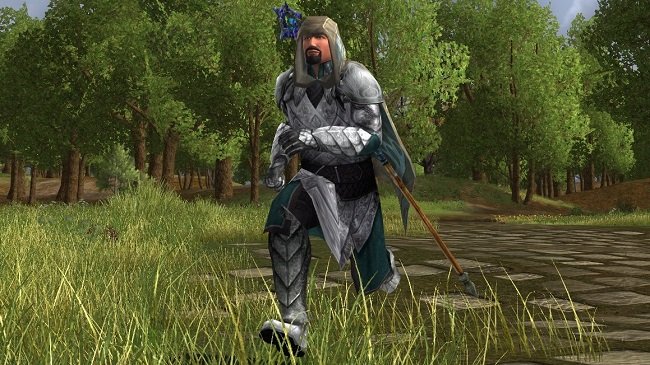
A rather generic fantasy image depicting Ecthelion Versus Gothog, created via Google Gemini
Another issue that quickly became noticeable was that of image generation and the disparity in quality between specific types. On one occasion I asked Google Gemini to create an image specifically for a blog post, because I couldn’t find a comparable one online. I wanted a picture of a group of demonstrators outside parliament talking to a news reporter and crew. I eventually gave a detailed prompt and found this replication of a common place event to be satisfactory. However, when I gave detailed instructions for a fantasy based image, I found the results to be somewhat formulaic and lacklustre. Google Gemini seems to work best when drawing from established data and images. When called upon to do something inherently creative it doesn’t fare so well. Furthermore, if you draw attention to any mistake or confusion arising from your interactions with Google Gemini, the AI becomes excessively apologetic to the point of obsequiousness.
It was ultimately this lack of intuition and proactivity that made me cancel my subscription to Google Gemini. Using it was too labour intensive and required me to constantly oversee the proceedings. For me that mitigated some of the benefits inherent in using such a tool. Hence I moved on to ChatGPT and decided to proactively determine if it had the same failings as it competitor. I asked it whether it felt it was intuitive and likely to seek clarification on its own accord rather than just colour “within the lines”. It confidently stated that it was a more intuitive by default and immediately proved so when I set it the same problem that Google Gemini had laboured over to no avail. ChatGPT not only solved the problem with my tablet but gave me multiple solutions. It also displays its thinking process as it works through a problem, which is both useful and intriguing. Its creative artwork is superior, or has at least proven so for the present.
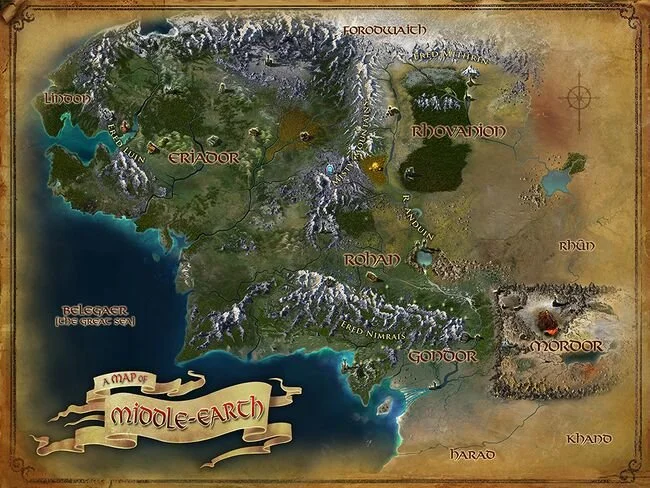
A map of Númenor created via ChatGPT
AI in various shapes and forms is a reality that is no going to go away. That being said, I do not think it is the universal solution that many think that it is at present and I suspect that there will be several high profile failures in the months to come that will do much to reset both business and the public’s expectations. Sadly, I also think there will have to be an adjustment around the wider issue of those who directly affected by the use of AI. If I ever have to commission any further design work for my website or the branding associated with it, I will always hire a professional. However, for minor work, AI will suffice. For example I wanted a detailed, high resolution map of Númenor and gave the task to ChatGPT. The results were fine. However, this never was a paying job to begin with. A few years ago, before AI became commonly available, I would have just gone without or drawn it myself. The fact that a tool now exists to do it for me, means I will use it.

















Thoughts on Blogging Part 25
On Friday 26th June, I had another random spike in internet traffic to Contains Moderate Peril. The statistical package that comes with my Squarespace account recorded over 13k visits in less than 24 hours, which is not typical (although I wish it was). However, all of these visits to my blog arrived via the default homepage and spent between 1 and 2 minutes there. Hence, it was obvious that this was not human traffic, as there was no evidence of any searches being made of content that is available on my site, nor of the “visitors” clicking on any of the links on the top menu and viewing other posts. This was undoubtedly AI traffic arriving at the designated homepage and simply parsing the site. I had a similar spate of this sort of web traffic last November. The only difference on that occasion is that the traffic all came from China. This time round it hailed from the US. I suspect that this is something that will happen more often as companies set their AI loose on the net for what is effectively training.
On Friday 26th June, I had another random spike in internet traffic to Contains Moderate Peril. The statistical package that comes with my Squarespace account recorded over 13k visits in less than 24 hours, which is not typical (although I wish it was). However, all of these visits to my blog arrived via the default homepage and spent between 1 and 2 minutes there. Hence, it was obvious that this was not human traffic, as there was no evidence of any searches being made of content that is available on my site, nor of the “visitors” clicking on any of the links on the top menu and viewing other posts. This was undoubtedly AI traffic arriving at the designated homepage and simply parsing the site. I had a similar spate of this sort of web traffic last November. The only difference on that occasion is that the traffic all came from China. This time round it hailed from the US. I suspect that this is something that will happen more often as companies set their AI loose on the net for what is effectively training.
Generative AI summaries became available via most major search engines in spring 2024, after a year or so of testing. They have been well received by the public and have now become a common place tool. You ask a question and instead of a list of links with posts featuring a possible answer, you instead get a summary of the relevant data from all those sites. It is a quick and convenient system where the AI does much of the heavy lifting. However such services have consequences. A study by Pew Research Center found that those using generative AI summaries are 50% less likely to click on any of the search results offered, preferring to end their enquiry once the summary has been provided. This has obviously had a significant impact on web traffic to the source websites that provide the data for the AI summary. For some it’s an inconvenience. For others it can ruin their business model, especially if they rely upon advertising.
There are further considerations beyond the financial. All too often, the AI in question scrape websites and blogs written and maintained by members of the public, rather than business entities. Fan created content produced by enthusiasts and non-professional writers such as myself. I have run Contains Moderate Peril since 2010 and fall squarely into this category. Although it has been satisfying to be part of a writing community and to interact with readers, my online writing has not brought any commercial success or benefits and over the previous 16 years has incurred an ever increasing operating cost. Until recently that has been an acceptable arrangement because I have grown an audience, which for me is one of the key reasons to write. However, AI summaries are eroding that audience and becoming a “middleman” that although beneficial for the end user, does me no favours at all. AI summaries have become information brokers and sadly, I am not the customer but a resource.
This situation was brought home to me last year when I was asking an AI a specific question about the MMORPG, Star Trek Online, that I couldn’t remember. Yes, I to use these services. The generative AI summary scraped an answer from one of my own blog posts, presented it to me with a link back to the original article I had written. Initially I thought this to be ironically funny but then it dawned upon me that from hence forward, my writing would no longer be primarily for a human audience. Instead my work would be parsed by AI to provide it with the answer they require for a third party enquiry. Yes, I may well be contributing to answering someone’s question, which in itself is a valuable thing to do but any tangible, positive benefits derived from this process would be directed at the AI service, rather than me. Essentially, my time, effort and money will be benefitting big business rather than me. To which my response is unequivocally “fuck that shit”.
Which leads me to a very important question from my perspective. Do I want to keep maintaining a blog under such circumstances? Generative AI summaries will become ubiquitous information brokers, separating writers from their audiences. Yes I’m sure established blogs with substantive, loyal audiences, will still attract direct traffic to their respective sites but Contains Moderate Peril doesn’t fall into that category. This websites halcyon days were between 2010 and 2014. 66% of my traffic nowadays comes from Google searches. Someone wants to find out about some niche market film, “Googles” it and then finds my review. Hence such posts have a good shelf life and can over time yield a constant feed of traffic. AI summaries effectively negate this process. Furthermore, simply becoming a regular Reddit contributor allows me to reach far more people than my blog ever does. There’s also far more interaction to be had between writer and reader.
The yearly Blaugust: Festival of Blogging is fast approaching. I usually undertake this event in a mentor role and try my best to write everyday for a calendar month. By doing so I showcase the merits and pleasures of writing online. If you are writing primarily for your own enjoyment, then that can certainly still be achieved. If you see writing as a means to build a community and reach an audience that you can interact with, then generative AI summaries are an impediment to that process. Because you are no longer the public face of the information being provided. The AI is now the assimilating that role. This issue is part of a wider sea change that is happening across the internet in the way we seek out and interact with content and those that create it. Am I happy with all the consequences of this change? Patently not, as this blog post indicates. Hence it is time for me to reflect and consider my options. I don’t enjoy spitting in the wind.



















The UK Electorate
UK Prime Minister, Sir Keir Starmer has resigned and intends to leave office before the parliamentary summer recess. By then Andy Burnham will more than likely be voted leader of the Labour Party and by default will become the new Prime Minister. Due to the current size of the incumbent Government’s majority, there is no pressing reason for a General Election that the UK’s right wing tabloid press is currently calling for. Whether this provides the Government with the reset they’re hoping for when Parliament reconvenes in autumn remains to be seen. With seven Prime Ministers coming and going in a decade, there are some serious questions to be asked about the current state of UK politics. However, the mechanics of contemporary politics, the decline of clearly defined ideologies and the people that seek elected office to be our leaders are only half of the problem. The other major impediment to the UK’s democracy functioning properly is the electorate.
UK Prime Minister, Sir Keir Starmer has resigned and intends to leave office before the parliamentary summer recess. By then Andy Burnham will more than likely be voted leader of the Labour Party and by default will become the new Prime Minister. Due to the current size of the incumbent Government’s majority, there is no pressing reason for a General Election that the UK’s right wing tabloid press is currently calling for. Whether this provides the Government with the reset they’re hoping for when Parliament reconvenes in autumn remains to be seen. With seven Prime Ministers coming and going in a decade, there are some serious questions to be asked about the current state of UK politics. However, the mechanics of contemporary politics, the decline of clearly defined ideologies and the people that seek elected office to be our leaders are only half of the problem. The other major impediment to the UK’s democracy functioning properly is the electorate.
Let us consider the reasons why Keir Starmer has resigned. Although the appointment of Peter Mandelson was a major political misjudgement, this is not the main reason for him being ousted by his own party. It is primarily due to his catastrophic decline in the opinion polls. Starmer won a substantial majority in the 2024 General Election predicated on prosed economic change and his party not being the Tories. Sadly, bold decisions were constantly rollbacked if they were seen to be poorly received by the general public. Hence his administration was seen to be constantly dithering and his policies were too vague to be clearly defined. Thus a substantial percentage of the public quickly became unhappy that “change” was not being delivered and this was reflected in Starmer’s approval rating. The Labour Party, like so many contemporary political organisations, became overly concerned about “optics” and decided to go down the road that leads to regicide.
The UK economy, along with many of its major public institutions are in a bad way. This is mainly due to decades of austerity following the 2008 financial crash and wider global factors such as COVID, regional wars and the current US administration. Infrastructure has been starved or finances, numerous services have been outsourced and asset stripped by those companies running them and the cost of living has just kept steadily increasing. The young have been poorly served by consecutive Governments and the old have unsustainable expectations with regard to public services, pensions and political representation. All of these are problems that require well considered and potentially radical solutions that will take time and effort to resolve. Any party seeking election eventually has to put their proposals to the electorate and it is at this point the problems start.
Ask anyone in the street about the aforementioned issues and they’ll confidently assert that “something must be done”. Some who are politically engaged may even share potential solutions. However a substantial amount of registered voters are not well versed in politics per se. They struggle to name significant individuals from politics, are not well informed about policies or ideologies and often form opinions based upon factually incorrect “news” on social media. Brexit was a textbook example of this. We also have to consider the erosion of communities and notions of civic duty. Politics is increasingly seen as a transactional process by people that have no concept of patience. The electorate’s expectations, combined with an absolute aversion to having to face any personal cost, thus becomes a major part of the UK's structural political paralysis. Voting ceases to be an administrative process with responsibilities and consequences. Instead it becomes like a reality show were you simply vote off those that “annoy” you.
There used to be an implicit social contract associated with UK democracy. After a General Election, the party with the most seats in parliament formed the next Government. You may not have liked the results but you recognised the legitimacy of the them and endured the new incumbent administration, if you were not a supporter. This mindset seems to have gone and there is a petulant element of the electorate who take the somewhat puerile attitude that “I didn’t vote for this so why do I have to put up with it”. Such a world view has consequences. No one wants to pay any more taxes, nor wants new housing built near them. Migrant labour that addresses the skills gap is reviled, yet no one seems to be opting for careers where such skills gaps exist. Democracy grinds to a halt because instead of a cohesive population with a sense of nationality and common purpose, you have 70 million individuals that want politics to personally serve their needs.
Political parties that have always been in thrall to opinion polls, are now increasingly more cognisant of “emerging trends” on social media. As a result the tail wags the dog these days which is why Keir Starmer has been effectively ousted by his own party. Although more media savvy and experienced in “doing” politics, I suspect that Andy Burnham is destined to run into exactly the same issues and criticism if he becomes PM. The chickens may well come home to roost by next spring when he has failed to grow the UK economy, increase wages and lower taxes and make the wind smell of wild flowers for the UK electorate. He has already indicated that he is not disposed towards addressing the realities of the UK economy and that to resolve the current situation requires the public enduring a period of hardship. Thus both groups inhabit their own personally chosen, alternative reality, while the those who recognise the situation for what it really is, watch on as Rome burns.











Novelty Candidates in UK Elections
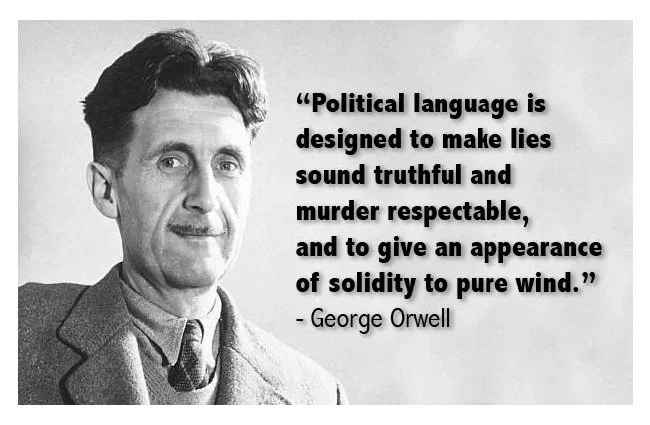
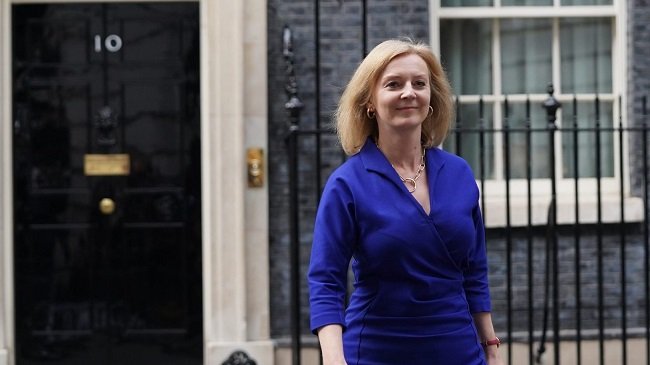
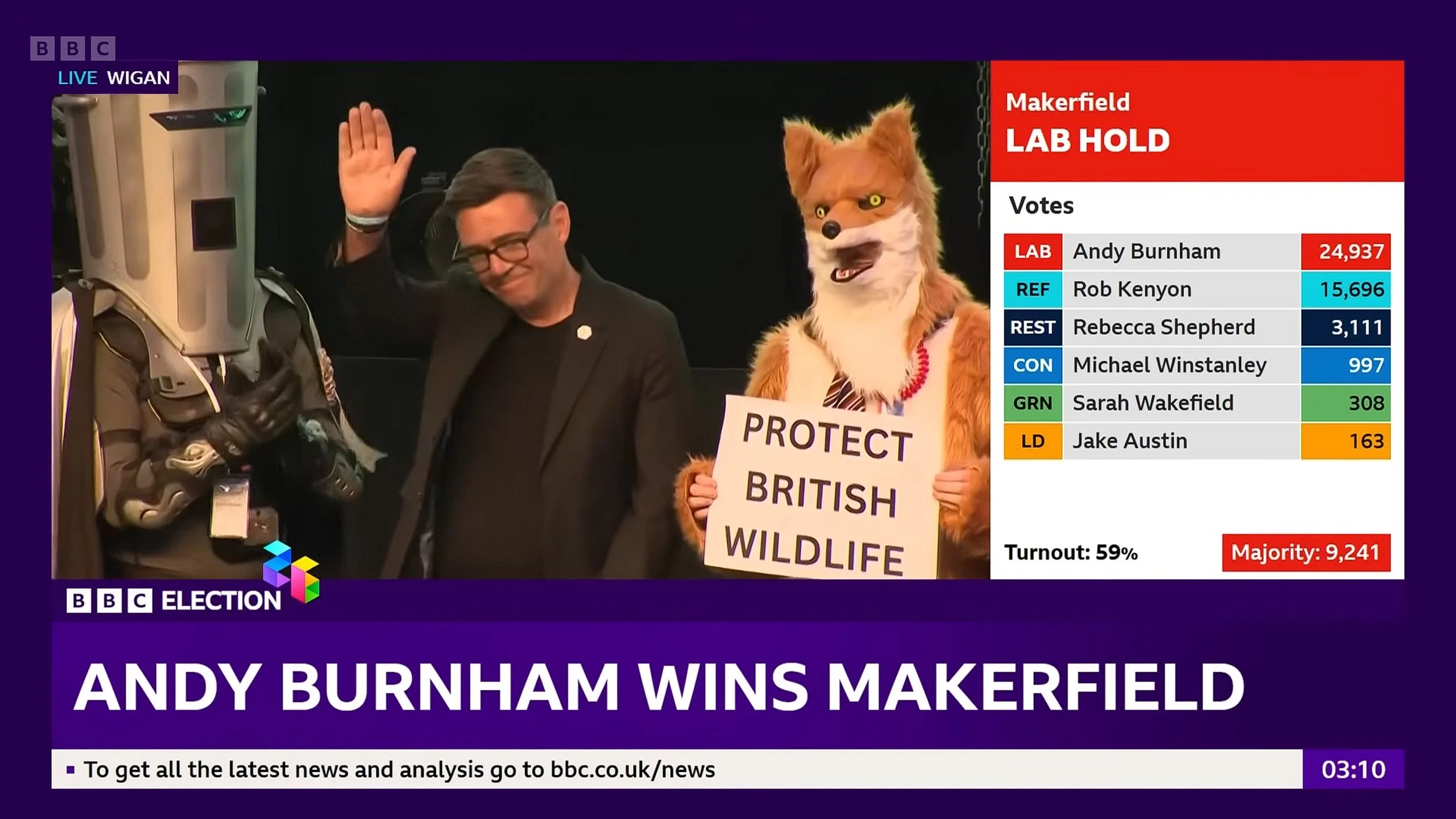
Andy Burnham successfully won the Makerfield by-election yesterday, returning him to the House of Commons as a member of Parliament after holding the position of Mayor of Manchester for the past nine years. Prior to this, Burnham was Labour MP for Leigh from 2001 and 2017. He served in both the Tony Blair and Gordon Brown administrations and has held such senior governmental posts as Chief Secretary to the Treasury, Secretary of State for Culture, Media and Sport and Secretary of State for Health. His return to Parliamentary politics is likely to result in a leadership challenge to incumbent Prime Minister Keir Starmer. When speaking after winning yesterday’s by-election Burnham spoke of “a final chance for change” the current trajectory of the present Labour Government. However, I don’t wish to focus on any of this at present. I am far more interested in the above picture, taken as the results were announced and what it says about UK politics.
Andy Burnham successfully won the Makerfield by-election yesterday, returning him to the House of Commons as a member of Parliament after holding the position of Mayor of Manchester for the past nine years. Prior to this, Burnham was Labour MP for Leigh from 2001 and 2017. He served in both the Tony Blair and Gordon Brown administrations and has held such senior governmental posts as Chief Secretary to the Treasury, Secretary of State for Culture, Media and Sport and Secretary of State for Health. His return to Parliamentary politics is likely to result in a leadership challenge to incumbent Prime Minister Keir Starmer. When speaking after winning yesterday’s by-election Burnham spoke of “a final chance for change” the current trajectory of the present Labour Government. However, I don’t wish to focus on any of this at present. I am far more interested in the above picture, taken as the results were announced and what it says about UK politics.
If you live outside of the UK you may be somewhat surprised by the fact that there are often novelty candidates at UK by-elections. Politics is usually steeped in formal trappings in most modern democracies. Candidates strive to project a no nonsense demeanour and similarly wish their policies to be perceived in the same way. Frivolity, joviality and rank stupidity are the opposite sentiments that political candidates wish to project. Yet here in the UK, all by-elections will have a percentage of novelty or niche market candidates who are there to add a degree of fun and light-heartedness to what are otherwise rather serious proceedings. Some candidates, representing traditional political parties, will balk or appear uncomfortable with this sort of triviality. More season campaigners understand that it has become part of the UK electoral tradition and its best to roll with it all. Hence you’ll find the successful candidate standing next to the someone from the “Standing at the Back Dressed Stupidly and Looking Stupid Party”.
The presence of novelty or satirical candidates in UK by-elections is primarily due to the country's relatively low barriers to entry for parliamentary candidacy and the unique platform that by-elections provide. To stand as a candidate in a UK parliamentary election, an individual generally only needs to meet three basic criteria. Be at least 18 years old. Be a British citizen, a citizen of the Republic of Ireland, or a citizen of a Commonwealth country with indefinite leave to remain in the UK. Submit a nomination form signed by 10 registered voters from that constituency and pay a £500 deposit. The deposit is returned if the candidate receives a certain percentage of the vote (typically 5%). However, for many novelty candidates the deposit is often viewed as a “fee” to access a platform to broadcast their message or gain media attention. It is by far the most cost effective means to gain television airtime and access to the mainstream journalists.
Because by-elections often attract intense media scrutiny, serve as a barometer for public sentiment toward the government and are unique, singular events, they provide a desirable media platform. Novelty candidates can use this to satirise politics, critique what they see as hypocrisy and draw attention to issues that major parties ignore. Some candidates use the ballot paper as a vehicle for a single-issue protest or as a symbolic rejection of the “two-party” system. The novelty of a candidate in a costume or with a bizarre name often garners more press coverage than a serious independent candidate, allowing them to broadcast their message to a wider audience than they could through traditional campaigning. Note how in the case of Andy Burnham winning yesterday, when he took to the stage to make his speech he found that the only space available, strategically place him in between Count Binface and Rob Pownhall from Protect British Wildlife.
Novelty candidates and parties are not unique to UK politics. There is a history of them in Canada, Iceland and Denmark. Sadly, US politics seems somewhat more po-faced and I suspect that India and several South American countries are similarly formal. The UK, however has a long, historical tradition of mocking all its most hallowed institutions including elections. From Hogarth engravings to Charles Dickens. I suspect that the greatest inspirations for a lot of the modern novelty candidates stems from the classic 1970 Monty Python sketch “Election Night Special” in which there was an ongoing political insurgency from the Silly Party. Considering the polarised and more febrile nature of UK politics at present and the resurgence of nationalism, I think more than ever the injection of some humour is not only welcome but frankly necessary to keep things civil. Plus it’s worth reading the policies on Count Binface’s website. Some of them are quite sound.

2:22 A Ghost Story
Intimate plays with a small cast and a tightly focused storyline can be very compelling. 2:22 A Ghost Story falls squarely into that category with its contemporary supernatural narrative. Written by Danny Robins, of the Uncanny podcast fame, this is a tight 100 minutes tale of the perennial clash between those who believe in the supernatural versus those who maintain a logical and rational perspective. The set in a recently renovated house, the story unfolds in a single room; a modern living room diner. The protagonists become aware of some potential supernatural activity that takes place at 2:22 AM and decide to see for themselves what will or won’t happen. This is a dialogue driven story which covers a lot of ground and sometimes strays into wider social topics. There have been multiple UK productions since the plays London debut in 2021 as well as several notable international performances. I saw 2:22 A Ghost Story at the Churchill Theatre, Bromley on Monday 15th June.
Intimate plays with a small cast and a tightly focused storyline can be very compelling. 2:22 A Ghost Story falls squarely into that category with its contemporary supernatural narrative. Written by Danny Robins, of the Uncanny podcast fame, this is a tight 100 minutes tale of the perennial clash between those who believe in the supernatural versus those who maintain a logical and rational perspective. The set in a recently renovated house, the story unfolds in a single room; a modern living room diner. The protagonists become aware of some potential supernatural activity that takes place at 2:22 AM and decide to see for themselves what will or won’t happen. This is a dialogue driven story which covers a lot of ground and sometimes strays into wider social topics. There have been multiple UK productions since the plays London debut in 2021 as well as several notable international performances. I saw 2:22 A Ghost Story at the Churchill Theatre, Bromley on Monday 15th June.
New Mother Jenny (Shvorne Marks) is alone at home with her baby. The house is still in the middle of being renovated and her husband Sam (James Bye) is currently away, working on the island of Sark. At 2:22 AM she here’s footsteps in the baby’s room as they pace round the cot. She also hears someone crying. Several days later her husband returns in time for a dinner party with two guests. Lauren (Natalie Casey) is an old friend of Jenny and Sam’s from university. She is accompanied by her latest boyfriend, Ben (Grant Kilburn), who lives locally in the village that Jenny and Sam have moved to. When Jenny reveals her supernatural experience, Sam being an academic is sceptical. Lauren is curious, while Ben is positively supportive, coming from a family of Christian Spiritualists. The two couples heatedly debate the tropes associated with hauntings and tempers begin to fray as 2:22 approaches. Events escalate raising the stakes and leading to a shocking revelation.
2:22 A Ghost Story initially wrong foots audiences by starting in a very light hearted manner. There is a lot of humorous banter between the main characters but as the story progresses, the dialogue focuses on discussing such matters as the afterlife, the nature of ghosts and why people want to believe. There is some astute social commentary about gentrification and class culture associated with housing. As the play progresses a palpable atmosphere of disquiet grows and it feels like things are heading in a bad direction. The story is regularly punctuated with jump scares, usually at the end of a scene. This initially works well but it does become somewhat repetitive. The main set is well designed and conveys the intended surrounding well, allowing the audience to clearly focus on the four main leads. 2:22 A Ghost Story is effectively streamlined, telling its tale in two 50 minute halves. There are several low key visual effects that work well within the confines of the story.
2:22 A Ghost Story feels like it is a very much of the moment. There has been an interesting resurgence in reports of paranormal activities since lockdown and the success of previous productions of 2:22 A Ghost Story shows there is a lot of interest in the subject. The current tour has a strong cast apart from Natalie Casey’s performance, which is somewhat underwhelming. Overall 2:22 A Ghost Story is a sound play with a supernatural theme. That said, there is more than just a haunted house mystery going on. Much of the plot is musings on the nature of the supernatural, its role in our society and why that is relevant to our lives. The main characters lean more towards archetypes, though this is necessary to explore some of the themes. As for the play’s ending, genre fans may be able to predict it although this doesn’t diminish its effectiveness. For those wanting a thoughtful exploration of the supernatural and a few scares, 2:22 A Ghost Story delivers both.



UK to Ban Social Media for Under-16s
The UK Government has formerly announced its intention to ban under-16s from using social media. This is due to increasing public pressure that “something must be done” about the perceived iniquities of many online platforms. However, as with most complex social problems of this nature, no one has any clear or practical ideas as to what that “something” is. It remains a nebulous, non-specific panacea and clearly someone else’s job to identify and implement. As ever, why choose a nuanced and multifaceted solution to a complex problem, when it is far easier and politically expedient to just “ban” something. The former requires effort and a degree of thinking. If such an approach fails it also means that those who came up with it now carry the can. The latter dumps the problem in the lap of various third parties, who can then be conveniently blamed when the ill conceived policy fails.
The UK Government has formerly announced its intention to ban under-16s from using social media. This is due to increasing public pressure that “something must be done” about the perceived iniquities of many online platforms. However, as with most complex social problems of this nature, no one has any clear or practical ideas as to what that “something” is. It remains a nebulous, non-specific panacea and clearly someone else’s job to identify and implement. As ever, why choose a nuanced and multifaceted solution to a complex problem, when it is far easier and politically expedient to just “ban” something. The former requires effort and a degree of thinking. If such an approach fails it also means that those who came up with it now carry the can. The latter dumps the problem in the lap of various third parties, who can then be conveniently blamed when the ill conceived policy fails.
The UK will follow Australia in banning teenagers under the age of 16 from accessing some of the world’s biggest social media platforms. These will include TikTok, Instagram, Snapchat. Facebook, YouTube and Reddit. However the proposed ban will not be tied to a specific set of sites and platforms, so as to remain flexible and able to accommodate any new platform that proves problematic at a later date. The messaging platform WhatsApp is not expected to be included in the ban. It would appear there is also a proposed usage of social media curfew for 16 and 17year-olds. Late-night “doom scrolling” is often cited by parents and teachers as detrimental to young people’s mental health. The Government will also introduce restrictions on access to chatbots and children will be blocked from having conversations with strangers on gaming platforms. Again, rather than naming specific services and games, the proposal seeks to be broad in nature, so it can adapt to future issues as they occur.
In the Government’s recent consultation on a proposed social media ban, nine in ten parents said they supported a minimum age of 16 before children can use such online services. 83% said that social media risks outweigh the benefits for children. However, concerns were raised as to whether such blanket proposals would inadvertently remove children’s access to platforms that provide useful and beneficial content. Those polled indicated that some sort of distinction between the potentially harmful and the benign needs to be made. However, the consultation gave no information as to how this would be achieved beyond it being the responsibility of owners of each online service. Today’s announcement has been met with mixed reactions with some groups welcoming the proposals and other seeing it as rash act of political desperation from an unpopular Government and Prime Minister who may shortly be facing a leadership challenge.
It is not yet clear when the ban will come into effect and how it will be implemented and policed. However, the Children’s Wellbeing and Schools Act passed earlier this year gives ministers the ability to introduce new measures to restrict harmful features on online services without needing to pass new laws. This means there is potential for the ban to be introduced quickly. At present the target date is early 2027. As to the actual mechanics of the ban, it will no doubt be “enforced” in a similar fashion to the Online Safety Act that came into force in the UK in July 2025. IE It will be down platforms such as Instagram to verify the age of all UK account holders and block and restrict accordingly. Failure to do so will result in fines issued by regulatory body OFCOM. So far, with regard to enforcing legislation for age verification, OFCOM has issued only a handful of fines and has struggled to flex its regulatory muscles. Astute opinion conjectures that the enforcement of today’s proposed ban will similarly be difficult to police and enforce.
Addressing the problems that arise from social media is a complex task. If it is to be done properly it requires the involvement of numerous stakeholders. A solution would require a lot of human intervention on different levels. It would need administration, oversight and staff. Hence there would be a material cost. The Government would naturally balk at such an approach because it would require a budget and have to yield measurable results. The public/electorate would similarly eschew such a plan, as it would take time, require compromise and most importantly of all parental involvement and responsibility. Something that is in short supply these days. Many parents are happy to use technology as a catch all babysitter, yet whine when the babysitter is potentially problematic. Perish the thought that parents should actually police their own children. As for the tech companies who are going to have to deal with this problem, I suspect they’ll be far from happy and co-operative.
My five year-old Grandson likes to watch Milo and Chip on YouTube. This is a child friendly, Minecraft themed channel. At present, he watches this on the TV in his household lounge via a YouTube guest account. At some point in 2027, the YouTube app will cease allowing guest users and require an account login. Oscar will no doubt ask one of his two parents to address the matter and I think rather than tell him it is now illegal for him to watch via this platform, they will simply create an adult account and login, so he can continue viewing his favourite channel. More canny older children will do this for themselves. They’ll circumnavigate the age verification requirements as they’re doing already. It doesn’t take much imagination to predict a cottage industry of young people sharing information as to how to bypass this proposed ban. It’s not as if making something “off limits” ever made it more alluring, is it?



















Food Banks
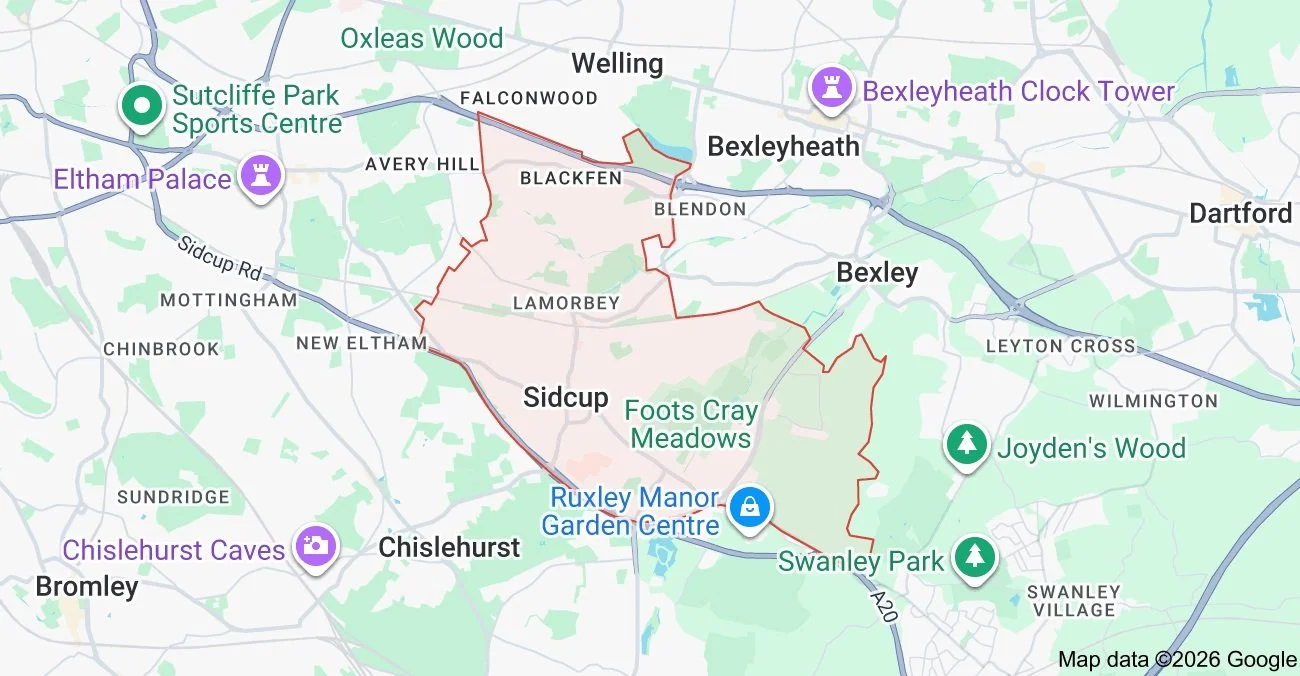
Every Thursday, Mrs P volunteers at a food bank that is run from a local church; Avery Hill Christian Fellowship. Today there was a shortage of staff so I agreed to help out. It proved to be an equitable arrangement as she collated the various orders and I packed the bags and took them to the respective clients. The food bank itself is organised and administered by the Trussell Trust, a UK based NGO and charity providing emergency food and support to people locked in poverty. It is open for 2 to 3 hours a week depending upon demand. During today’s session we served just six people. Some weeks its can be triple that amount. Upon closure, a member of staff from the Trussel Trust did a stock take and collated a list of what was needed. This is provided by various local church communities via parishioners donations, as well as local supermarkets who have an arrangement with the trust to provide surplus stock or good approaching the end of their sales window.
Every Thursday, Mrs P volunteers at a food bank that is run from a local church; Avery Hill Christian Fellowship. Today there was a shortage of staff so I agreed to help out. It proved to be an equitable arrangement as she collated the various orders and I packed the bags and took them to the respective clients. The food bank itself is organised and administered by the Trussell Trust, a UK based NGO and charity providing emergency food and support to people locked in poverty. It is open for 2 to 3 hours a week depending upon demand. During today’s session we served just six people. Some weeks its can be triple that amount. Upon closure, a member of staff from the Trussel Trust did a stock take and collated a list of what was needed. This is provided by various local church communities via parishioners donations, as well as local supermarkets who have an arrangement with the trust to provide surplus stock or good approaching the end of their sales window.
Every now and then it can be beneficial to step outside of the immediate confines of your own life and spend sometime observing the lives of others. It is a good way of dispelling a lot of the deliberate misinformation that surrounds certain socioeconomic issues. Simply put food banks do not exist exclusively to cosset the idle and malingerers. The vast majority of people who use them are in work. The most commonest reason cited for using a food bank is that an individuals income does not cover essential costs. Furthermore, food banks are not open to all. Referrals from the local authority, citizens advice bureau, healthcare professionals and charities are required. An assessment is then made and vouchers allocated accordingly. Vouchers entitle you to a parcel which usually contains at least three to seven days of nutritionally balanced, non-perishable food. The size of the parcel varies depending on whether it is intended for an individual or family.
The food bank at Avery Hill Christian Fellowship has a surprisingly comprehensive stock. Essentials such as bread, pasta, milk, sugar, tea and coffee are well represented. There are tinned goods, breakfast cereals, soft drinks and even frozen or refrigerated ready meals. However, it is not just a question of providing food. food banks also help with personal toiletries, toilet paper, sanitary products and nappies. Razors are also available. Then there are household cleaning products such as laundry pods and detergent. Simply put, most items that make up a weekly household shop are available. The Trussell Trust also has a policy of making minor indulgences such as sweets and snacks available, as they see it important that those who use their services maintain some level of comfort and dignity. It should also be noted that provision is made for those with dogs and cat, hence pet food and treats are included in vouchers if required.
I passed pleasantries with those I served today and contrary to the UK tabloids, all were decent folk. When one stops and considers the wider issues that are being addressed by UK food banks, they are all economic and sadly political. There is something fundamentally wrong when wages from full time work cannot cover the costs of living. It can also be argued that the government having to supplement people’s income with benefits and subsidising employers, is also a fundamental problem. The Trussell Trust does a great deal of research into the wider issues of their respective field of work. They have determined that a single adult in the UK in 2023 needs at least £29,500 a year to have an acceptable standard of living. Two adults with two children would need £50,000 to meet comparable criteria. Currently 19.2 million people in the UK out of a population of 69.9 million, live in households with incomes below those figures.
The UK economy is struggling at present. There is no growth, wages are stagnating and as a result of these and other factors, unemployment is going up, especially among the young. The Trussell Trust runs approximately 1,700 food banks across the UK, guided by “Christian principles”. There are a further 1,200 additional food banks run by other organisations and charities. While the Trussell Trust provides over 2.6 million parcels annually, the true figure for the entire UK, inclusive of the independent sector, is not known. In the current economic climate it has been conjectured that it may reach 5 million by the end of the year. Hence food banks are addressing a very real need. For those who are sceptical of “Christian principles” and altruism, consider the work that food banks do in purely pragmatic terms. If they did not exist, what would be the consequences of having 27% of the UK population living in food poverty and receiving no help whatsoever?
RV There Yet? The Best Game I’ve Never Played
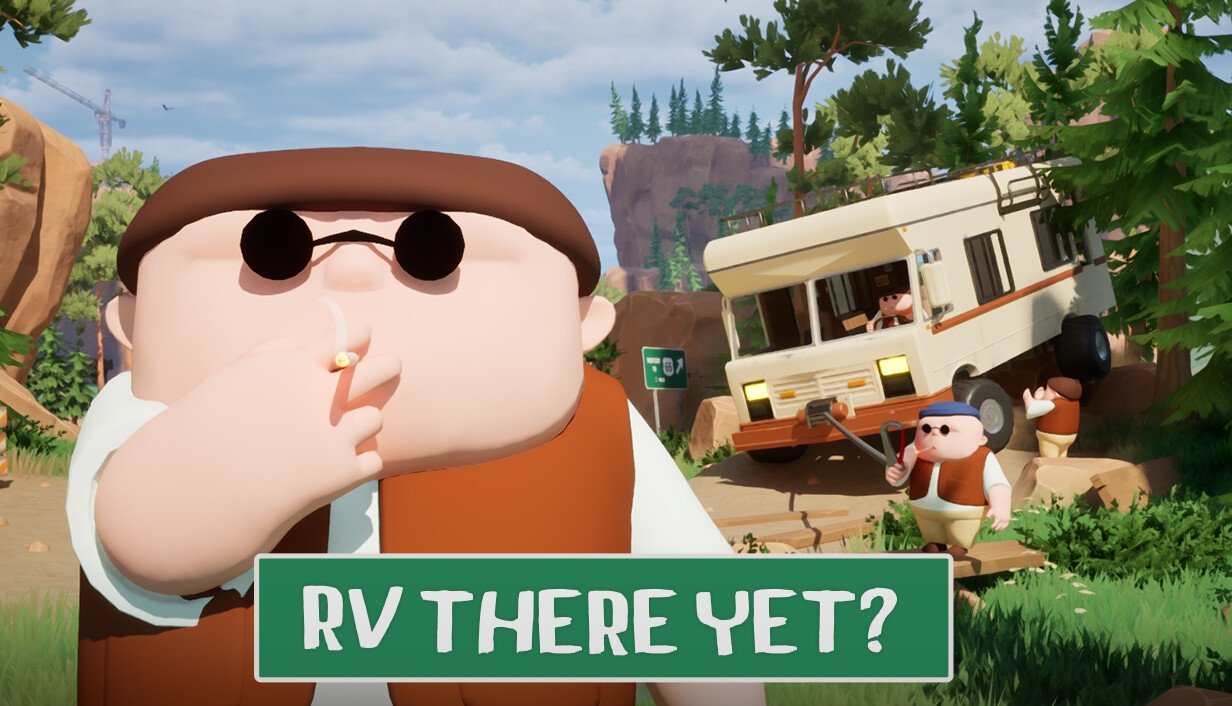
RV There Yet? is possibly the most entertaining game I’ve never played. My vicarious pleasure regarding this title has come exclusively from watching two popular YouTubers, JackFrags and WillFromWork, play through the game over a series of videos. It has been immensely amusing to watch and I have empathised a great deal as the group of four players has struggled with the game’s unpredictable mechanics and their own team’s dynamic. I could go and buy RV There Yet? myself but I doubt if I would ever have a gaming experience anywhere close to what I’ve watched online recently. So in some respects watching these videos has been an interesting alternative as I’ve been entertained, which ultimately is the point of video games. Perhaps there is a deeper philosophical point here that the game developers should reflect upon, as they’ve lost a potential sale. However, that is separate discussion for another day.
RV There Yet? is possibly the most entertaining game I’ve never played. My vicarious pleasure regarding this title has come exclusively from watching two popular YouTubers, JackFrags and WillFromWork, play through the game over a series of videos. It has been immensely amusing to watch and I have empathised a great deal as the group of four players has struggled with the game’s unpredictable mechanics and their own team’s dynamic. I could go and buy RV There Yet? myself but I doubt if I would ever have a gaming experience anywhere close to what I’ve watched online recently. So in some respects watching these videos has been an interesting alternative as I’ve been entertained, which ultimately is the point of video games. Perhaps there is a deeper philosophical point here that the game developers should reflect upon, as they’ve lost a potential sale. However, that is separate discussion for another day.
RV There Yet? is a cooperative adventure video game developed and published by Swedish game studio Nuggets Entertainment. It was released for Windows on 21st October last year. During the past few months it has gained traction and cult status mainly through word of mouth and being streamed. The game has players control a beat-up RV and attempt to navigate it through challenging terrain while returning from a camping trip. The game emphasises careful driving, obstacle management and teamwork in multiplayer mode, as players work together to avoid damage and complete the journey. The RV is fitted with two winches, front and back, which are often integral to traversing the terrain. Animals such as mountain lions, eagles and goats are also a source of danger. The games cartoony aesthetic and collision physics are also very amusing. RV There Yet? can be played either solo or co-operatively. Hilarity ensues.
What I found so amusing when watching this game being played on YouTube was the way the players personal pathology and their approach to problem solving would vary. Attention spans would wander often resulting in disastrous choices and decisions. The group dynamic between JackFrags, WillFrom Work, TommyRage and Bongeh in these videos is another factor that made things enjoyable. The group banter and the affable nature of those involved made the proceeding very relatable. If I were playing, I would be the logical individual trying to shepherd those players with less focus. It is this emergent game play and the entertainment that stems from it that makes this genre of games so popular. There is no requirement for skill or min-maxing. It’s about being in the moment and taking your fun where you find it. These games do not have any form of gatekeeping. The only barriers to participating are owning the game and having friends.
Prior to writing this post, I went online to find a video review of RV There Yet? The first video I saw wasn’t a critique of the game but more of a rant against this genre which some have rather scathingly labelled “friendslop”. I instantly disliked this trite epithet as it is clearly intended to circumnavigate any critical thinking and debate. Instead it seeks to create a biased binary position and is ultimately a pejorative term. Games such as RV There Yet? are not intended to be a skills based grind. Yes they’re contrived and simplistic but that doesn’t invalidate them. Yes, it does help having the right group of friends to get the most out of such games and these highly condensed videos show all the best parts of a far lengthier gameplay session. However, despite this curation, the fun is organic and often that’s the best kind of fun. Sometimes I despair of the blinkered mindset of competitive gamers who cannot countenance anything outside of their own experience. They seem a singularly po-faced demographic.
There was a time when I would’ve been a little envious when watching the likes of these four friends having such an entertaining gameplay experience. However, I realise nowadays that there are multiple factors that contribute to such things happening and you cannot always replicate them yourself. Sometimes, just watching someone else doing “the thing”, rather than doing it yourself, is the next best option. It’s one of the reasons sports attract audiences. Is RV There Yet? an entertaining game. Not by default. But it does offer the potential for entertainment and that potential doesn’t ask much from the players. Overall, I see that as a good thing. Therefore, ignore the fun police. There’s none so blind as those who cannot see, to coin a phrase. And if you, like myself, cannot play the game personally for whatever reasons, checkout someone else’s gameplay on YouTube. It will raise a wry smile.


Guild Wars 3
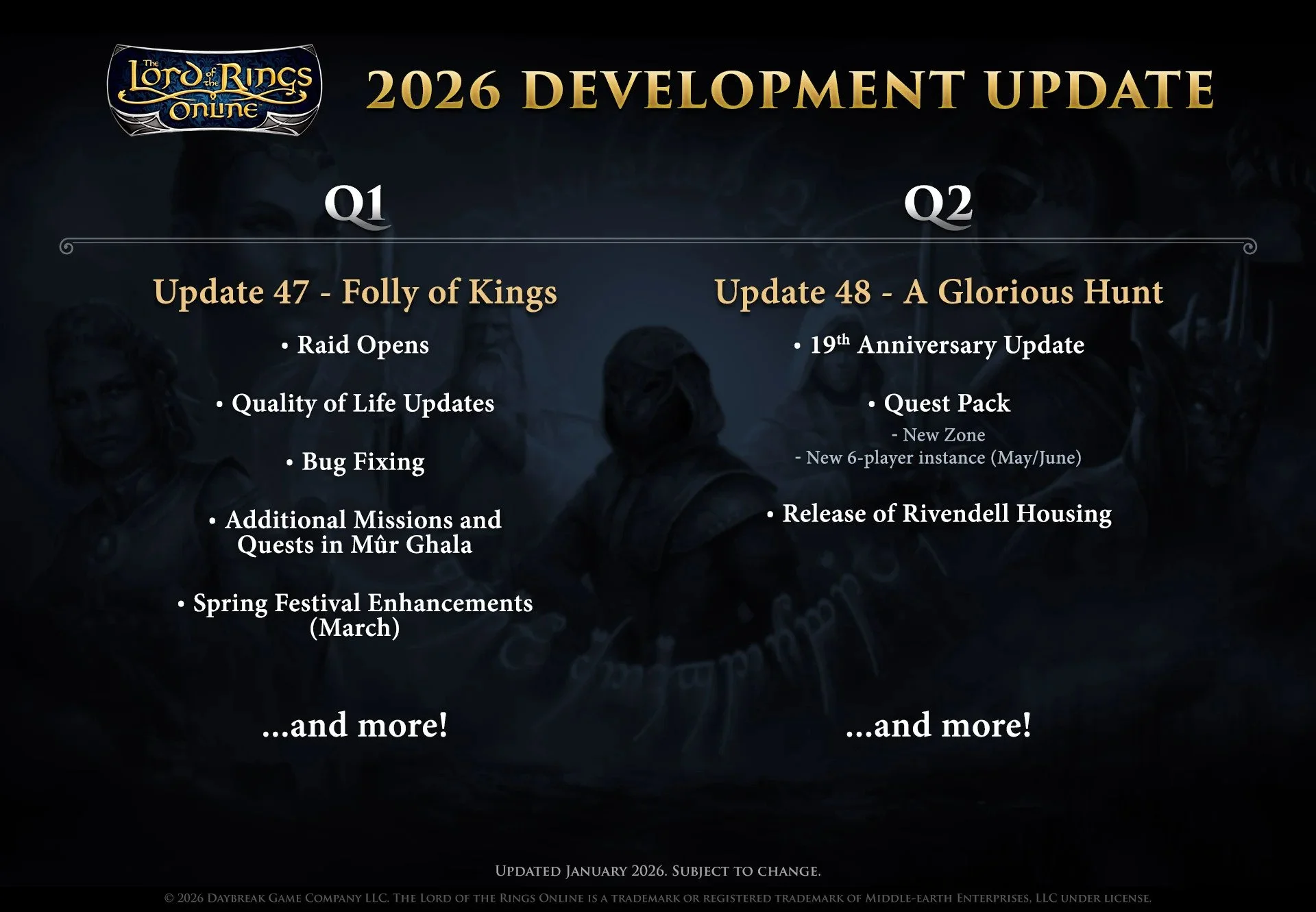
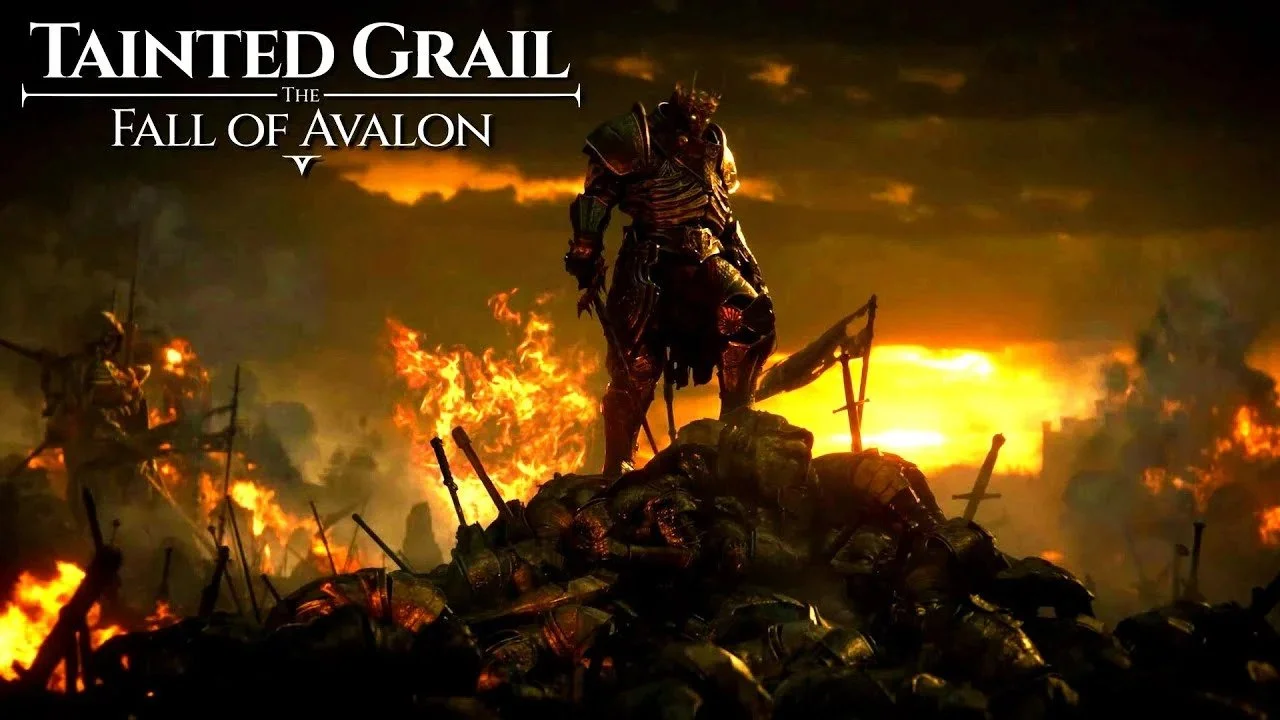
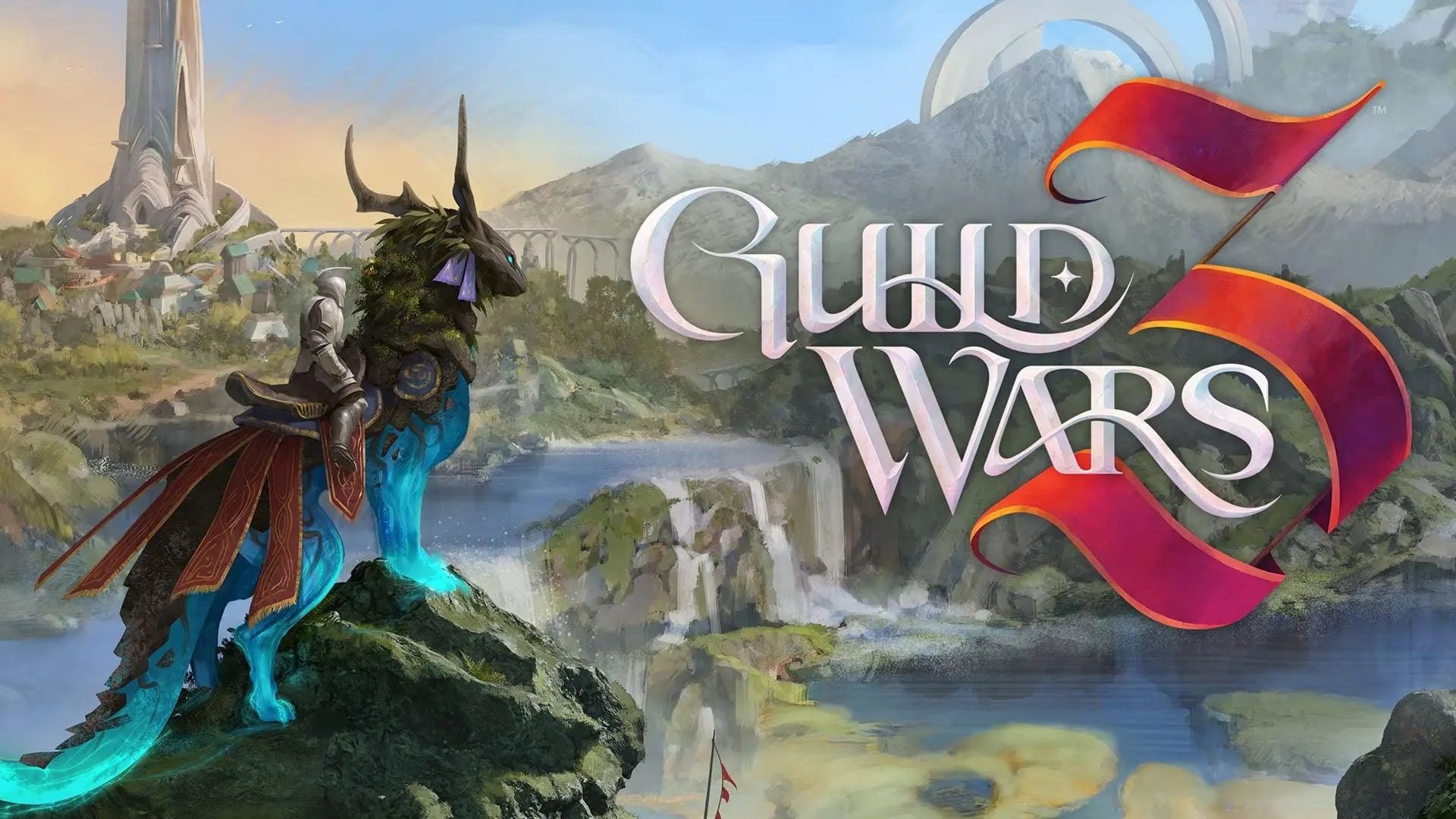
I don’t keep up with gaming news as much as I use to but several noteworthy announcement have come to my attention of late. Firstly, there’s an expansion, Songs of the Past, coming for the Witcher III: Wild Hunt in 2027. No doubt this is to pave the way for the Witcher IV. Next, I also found out about Hand of Fate: Horde. I liked this franchise and was saddened to learn that the original studio, Defiant Development, closed. Hence is was a pleasant surprise to see this new game being developed by members of the original studio. The third announcement was regarding Guild Wars 3. A new MMORPG in active development by a major studio is no small feat and is certainly good news for fans of this franchise and the genre per se. However, once you look beyond this news this announcement raises several questions and has certainly given me pause for thought. Let us take a few moments to consider them.
I don’t keep up with gaming news as much as I use to but several noteworthy announcement have come to my attention of late. Firstly, there’s an expansion, Songs of the Past, coming for the Witcher III: Wild Hunt in 2027. No doubt this is to pave the way for the Witcher IV. Next, I also found out about Hand of Fate: Horde. I liked this franchise and was saddened to learn that the original studio, Defiant Development, closed. Hence is was a pleasant surprise to see this new game being developed by members of the original studio. The third announcement was regarding Guild Wars 3. A new MMORPG in active development by a major studio is no small feat and is certainly good news for fans of this franchise and the genre per se. However, once you look beyond this news this announcement raises several questions and has certainly given me pause for thought. Let us take a few moments to consider them.
When a new game in a popular franchise is launched, it does not necessarily mean the immediate death of the previous iteration. You can still buy and play older versions of titles such as Call of Duty and Battlefield and they often maintain a dedicated player base. That has not always been the case with the MMO genre. The Playstation 2 version of EverQuest Online Adventures was shutdown by Sony Online Entertainment upon the release of EverQuest II. Overwatch was not closed as the such but the game client was patched thus morphing existing installations of the game into Overwatch II, regardless of whether players wished this or not. However in the case of Guild Wars 2, ArenaNet have announced that they will keep producing content for the older game once they have completed work on Guild Wars 3. ArenaNet have a track record of maintaining old and new products in parallel.
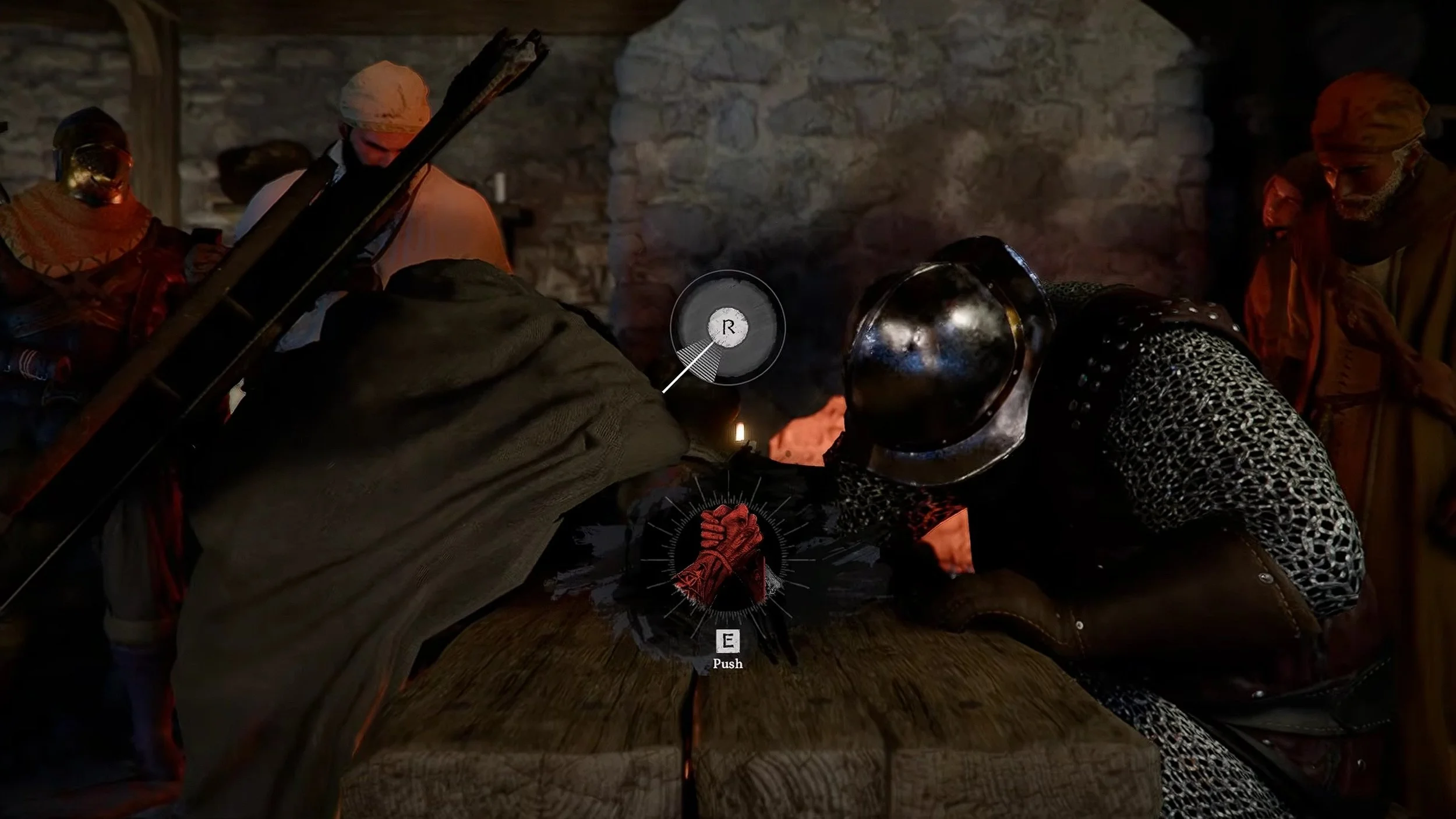
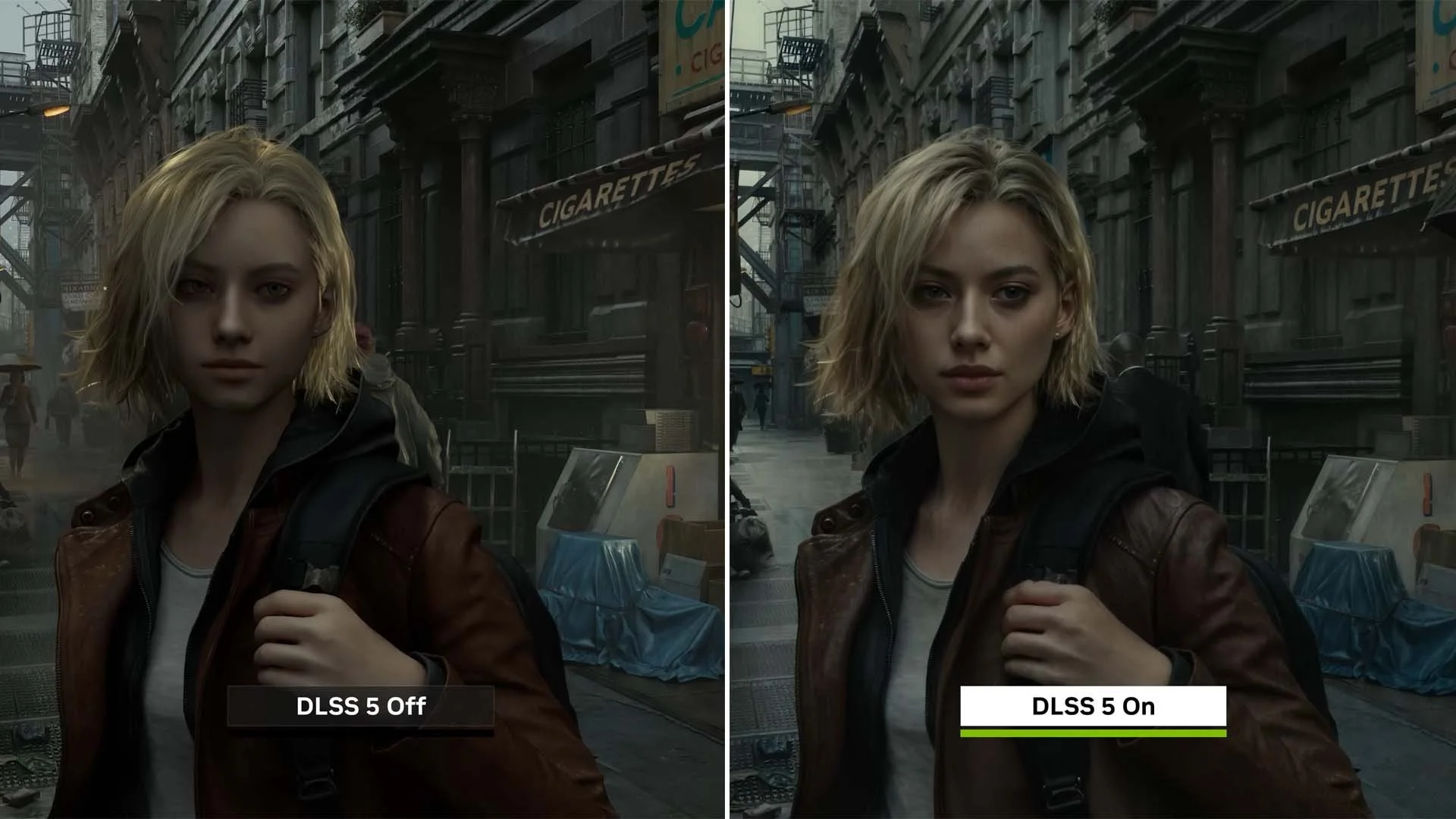
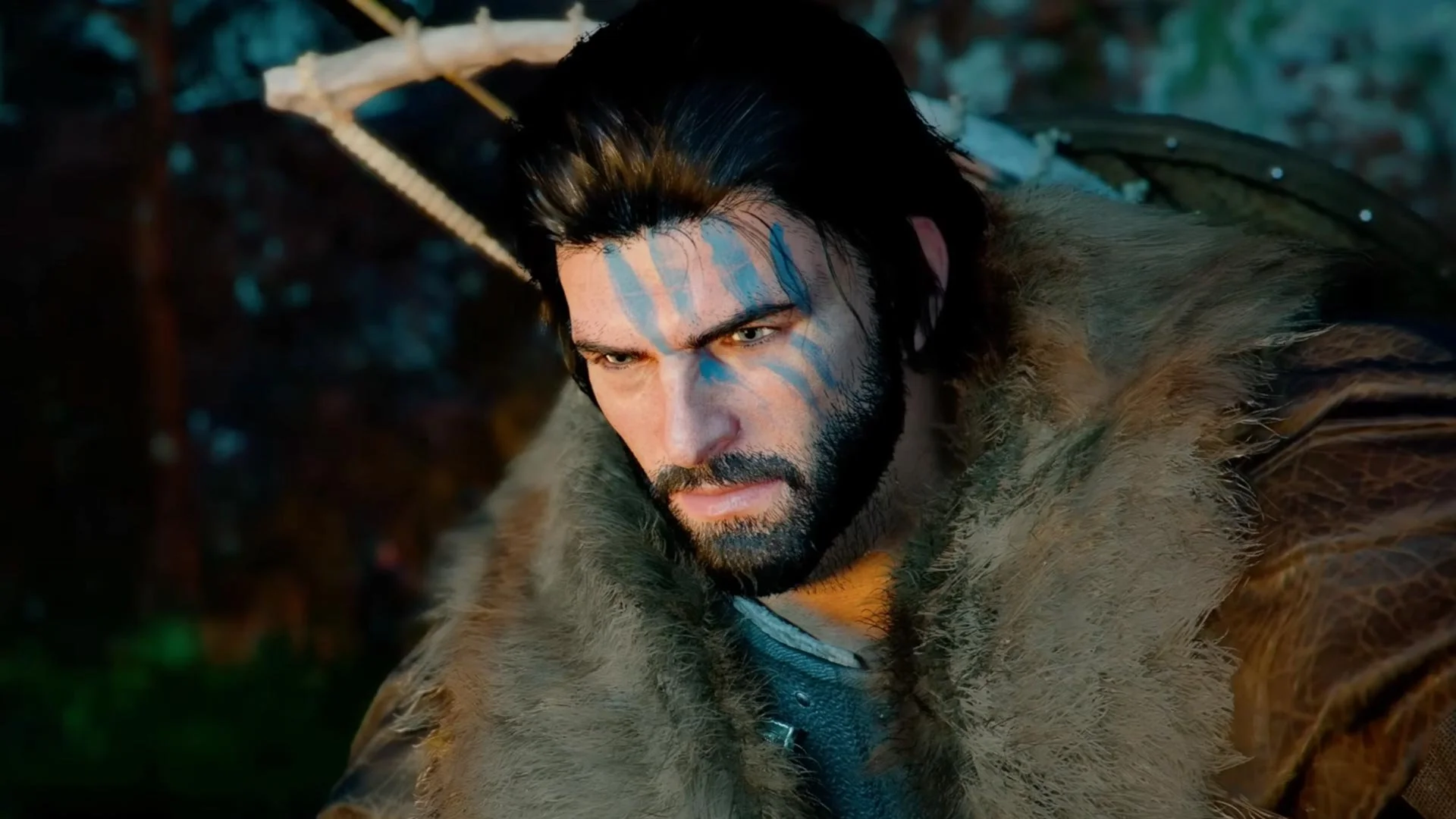
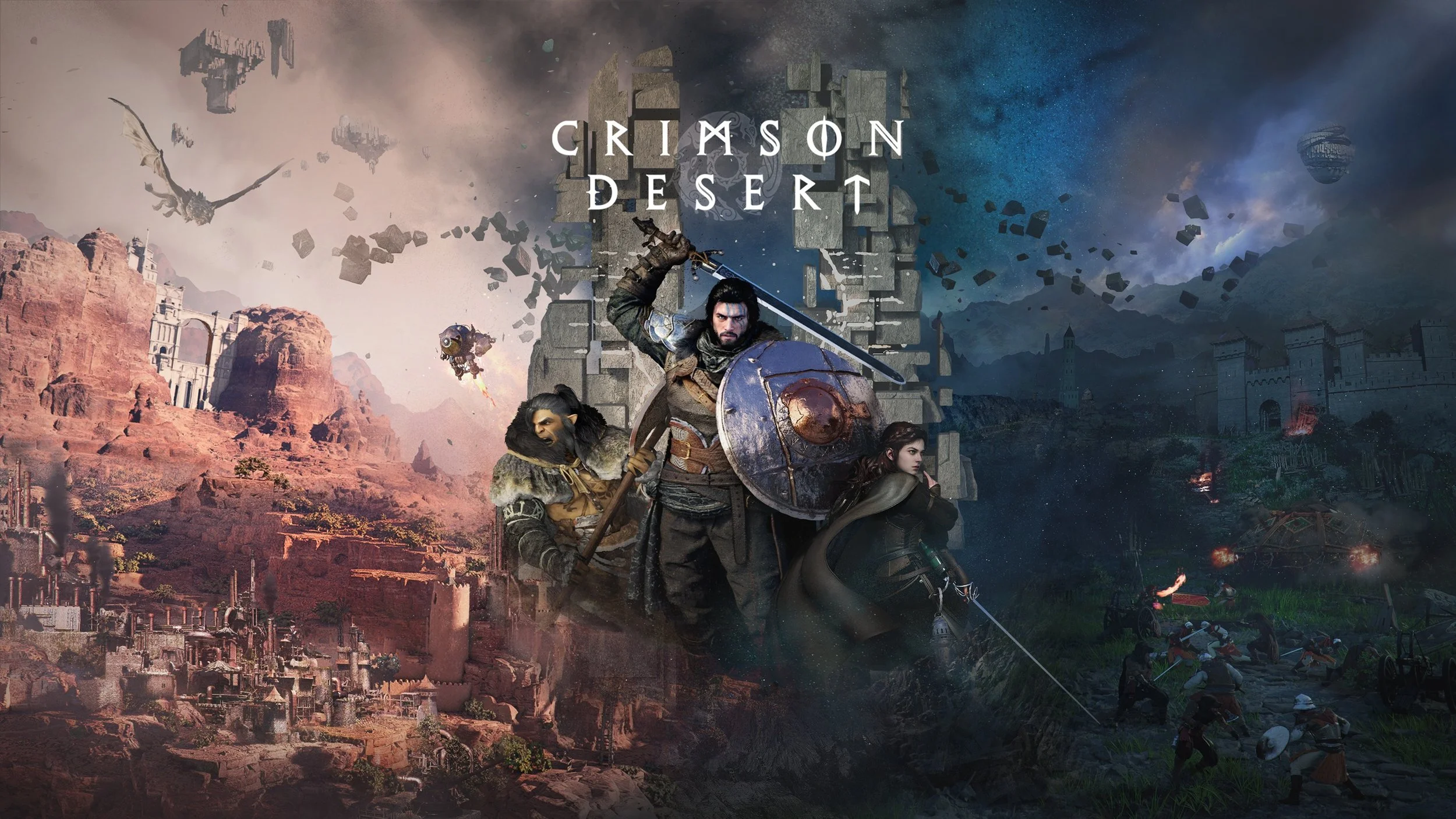
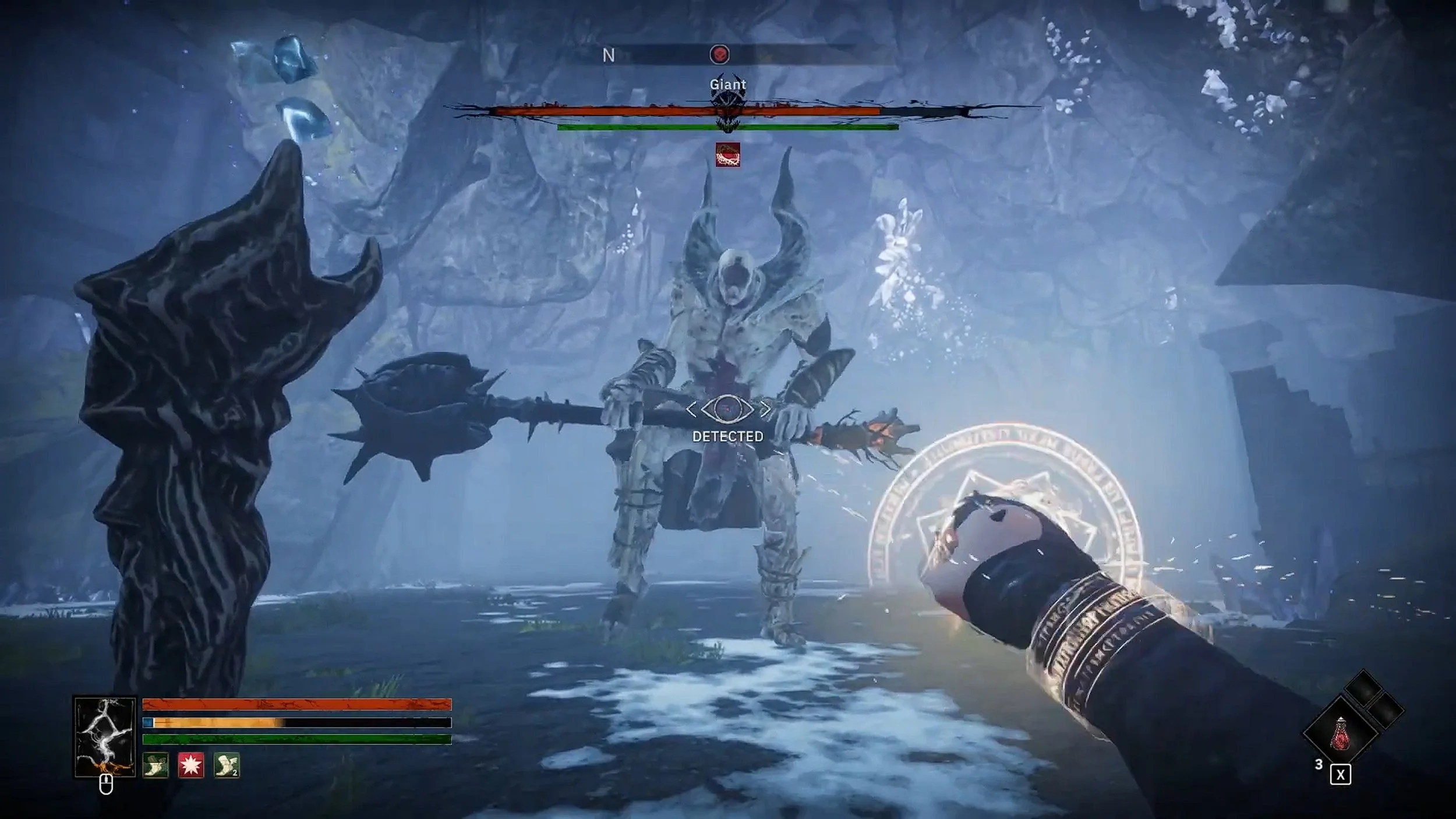
Perhaps the biggest issue associated with Guild Wars 3 and the one that is currently being debated, is what does a modern MMORPG look like? The term has evolved greatly over the last 25 years and as a result there are clear difference between games hailing from different eras. Those who want tab targetting, static combat and structured skill rotations, along with a strong social component and required grouping may be disappointed. I suspect that ArenaNet will be pursuing a modern approach to Guild Wars 3, utilising a hybrid style that blends a large persistent online world with the kind of high-mobility gameplay that you find in modern third-person action games. Perhaps there are clues to be found in the recent RPG Crimson Desert, which started its development life as an MMORPG before being transitioned into a single player game. It has many systems inherent in the MMORPG genre but its combat is very contemporary.
Naturally, there is scope that some players will not like the cut of Guild Wars 3 proverbial jib and will not migrate to it. Conversely, the existing Guild Wars 2 community may well see a substantive drop in players which may impact negatively upon guilds and end game content. You cannot please everyone, nor should you try to. It will be interesting to see how both game fare. I still have numerous screen captures taken during the Guild Wars 2 beta tests in 2012 and have fond memories of that time as I was a consummate MMORPG player back then. Nowadays, I am more curious about the development of Guild Wars 3 from a business and industry perspective, rather than an active player of the genre. As to those players who have already questioning whether to continue to play Guild Wars 2 now that a new game has been announced, I’d urge them to live in the moment and continue to play and enjoy the current game. Guild Wars 3 is a long way off. “Now” is here already.

Local Theatres
Over the course of the last year and a half, I’ve started going to the theatre more often. Mainly because contemporary cinema has less and less to offer me as an adult. Over 18 months I’ve seen half a dozen shows of various kinds. Dance, dramas and standup comedy. One of these was a West End show, in central London, to see The Lion King (which was very entertaining and lived up to the hype). The others have all been at local theatres. Either the Churchill Theatres in Bromley, the Orchard Theatre in Dartford or the Orchard West. All of these venues are easily accessible by public transport or car and offer a wide variety of entertainment at “reasonable” prices, compared to the premium shows in London which have very high prices. So far, all of the six shows I’ve seen have proven entertaining and good value for money. I’ve also learned that theatre has changed a lot to suit the tastes of the modern audience.
Over the course of the last year and a half, I’ve started going to the theatre more often. Mainly because contemporary cinema has less and less to offer me as an adult. Over 18 months I’ve seen half a dozen shows of various kinds. Dance, dramas and standup comedy. One of these was a West End show, in central London, to see The Lion King (which was very entertaining and lived up to the hype). The others have all been at local theatres. Either the Churchill Theatres in Bromley, the Orchard Theatre in Dartford or the Orchard West. All of these venues are easily accessible by public transport or car and offer a wide variety of entertainment at “reasonable” prices, compared to the premium shows in London which have very high prices. So far, all of the six shows I’ve seen have proven entertaining and good value for money. I’ve also learned that theatre has changed a lot to suit the tastes of the modern audience.
I can remember going to the Young Vic Theatre, London, in 1983 to see a production of Shakespeare’s Twelfth Night. The trip was organised through my school and was part of the course work for our English Literature exam. Being 15 years old at the time and ambivalent to the merits of Shakespeare and this “comedy”, I remember becoming bored once the novelty of seeing Blakey from On the Buses (actor Stephen Lewis) on stage wore off. However, I think that my overall experience accurately reflected the prevailing stereotypes about theatre at the time. Traditional content made up the majority of productions and prevailing theatre culture was rather formal, aloof and not really aimed at the “hoi polloi”. My recent forays into the world of local theatre highlights how this has changed and that giving the public what they want, rather than what you think is good for them, is now the cornerstone of business.
When booking shows at both my local theatres what has struck me is the variety of content and the types of productions available. There are traditional plays and musicals on offer throughout the year but there is also a lot of live comedy, contemporary “jukebox” musicals and themed events. For example, I recently saw a live version of the Uncanny podcast. There are also authors on promotional tours, sports retrospectives from retired pundits and sportsmen and a great deal of content specifically aimed at children. Theatres also seem to showcase a lot of tribute bands and events that are clearly intended to include audience participation. I am not going to argue either way regarding artistic merit and cultural value. Such things are highly subjective and couched in other complex societal issues such as respective wealth and class. The simple fact remains that such productions sell and keep the theatres open.
Another minor change I noticed at my two local theatres is that they’re both now “cashless”. Drinks, food and merchandise can only be purchased by card or phone. Furthermore, although you can visit the theatre in person to book tickets for future shows, the majority of business is conducted via an online box office. There are associated apps and membership is encouraged to gain advance booking access to forthcoming shows. On a more subjective note, the venues themselves exude an atmosphere of modernity and the old, stuffy ambience has been dispelled. This informality is welcome but it also means that the notion of “dressing up for the theatre” is less prevalent. I’m sure there are naysayers out there decrying this cultural change but for me it makes the theatre a more inviting prospect, compared to how it was four decades ago. Plus you can still find old school, traditional plays, as I have booked tickets to see Robert Bolt’s A Man For all Seasons in November.

Audible: The Standard Plan
I am a big fan of Audible as a service. Over several years I have built up a sizeable collection of audiobooks and whenever a new title is released that is of interest to me, I instantly consider do I wish to buy a physical copy of the book in question or an audio version. I consume a lot of non-fiction titles, especially science based content. I find audiobook versions of such material a lot easier to digest, mainly due to the measured pace of the narrator that gives me time to consider and mentally digest what I am listening too. If I struggle with a point, I can instantly rewind the audio back 30 seconds and listen again. Plus listening to Stephen Fry or someone else with a distinctive and charismatic voice read something is eminently superior to my own inner monologue. Hence I find audiobooks to be a medium that if both convenient and enjoyable for me. Furthermore, the various subscription tiers of Audible have proven beneficial. That is until this March when they altered these.
I am a big fan of Audible as a service. Over several years I have built up a sizeable collection of audiobooks and whenever a new title is released that is of interest to me, I instantly consider do I wish to buy a physical copy of the book in question or an audio version. I consume a lot of non-fiction titles, especially science based content. I find audiobook versions of such material a lot easier to digest, mainly due to the measured pace of the narrator that gives me time to consider and mentally digest what I am listening too. If I struggle with a point, I can instantly rewind the audio back 30 seconds and listen again. Plus listening to Stephen Fry or someone else with a distinctive and charismatic voice read something is eminently superior to my own inner monologue. Hence I find audiobooks to be a medium that if both convenient and enjoyable for me. Furthermore, the various subscription tiers of Audible have proven beneficial. That is until this March when they altered these.
Audible use to have a two tier subscription system. The first tier cost £8.99 a month and award the customer 1 credit that they could use to purchase an audiobook of their choice. The next tier cost more and gave the customer 2 credits per month. Both of these tiers also gave subscribers access to some free books and bespoke podcast content. If you stop subscribing you naturally lost access to the free books and Audible exclusive podcasts but you still owned the books that you purchased with your credits. Furthermore, every six months or so, Audible would have a promotion where you could subscribe to the first tier for only £2.99 a month for 3 months, then the price increased to the standard amount. This was very useful as you could take advantage of this for three months then cancel your subscription. Sadly, Audible decided that allowing customers to buy a newly released audiobook for just £1 is perhaps a little too generous. Hence they altered the subscription model.
A new entry level tier called the Standard Plan has been introduced that costs £5.99 a month. This again awards the customer with a credit that they can spend on any title in the current catalogue. However, the moment you stop subscribing, you lose access to that title. Hence you haven’t purchased the book you have simply rented access to it. It is not a dissimilar business model to some MMORPG video games. The old first tier option offering 1 credit for £8.99 has now become the second tier. As £8.99 still buys 1 credit, what is my point, I hear you ask. It is the elimination of the regular featured promotion of 3 months subscription at £2.99 and the fact that the new default, entry level tier of subscription doesn’t allow customers to own the books that they spend their credits on. This appears to be an example of the online version of “shrinkflation” and requires new customers to read small print very carefully as they are now “renters” and not “owners” at this tier of subscription.








Riverhill Himalayan Gardens
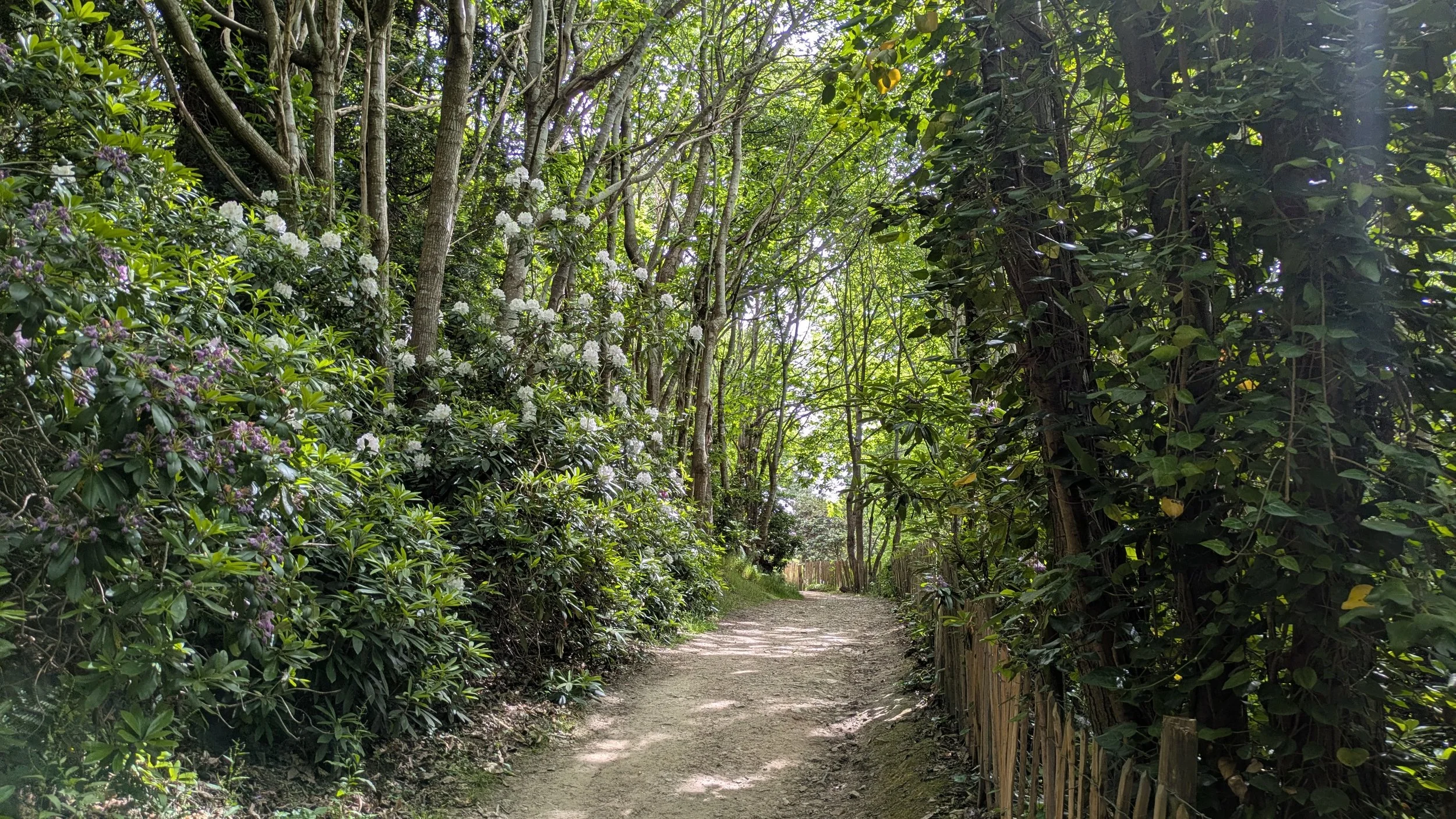
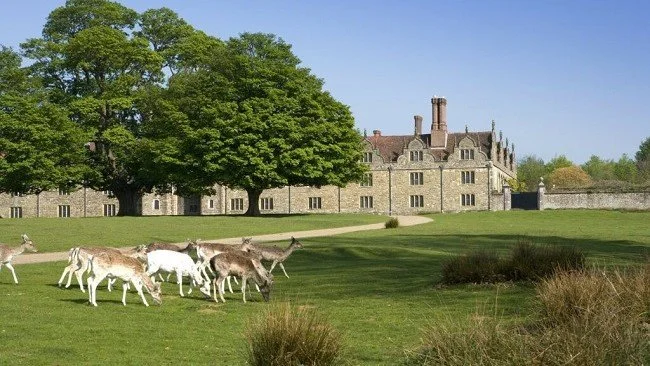
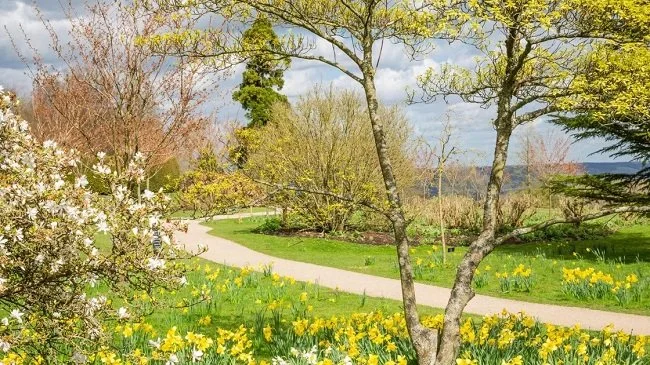
Riverhill Himalayan Gardens are set in the grounds of Riverhill House, a Grade II listed Queen Anne manor house located on the southern edge of Sevenoaks in Kent, England. Riverhill is well known for its stunning and historic gardens as well as its sweeping vistas over the Weald of Kent. The estate has been the residence of the Rogers family since 1840 who currently operate the gardens as a tourist attraction, along with the house and associated facilities as a wedding venue. Visitors can enjoy a walled garden, rose walk and maze as well as other attractions. There is also an excellent trail around the grounds culminating in a view from the top of the hill over the estate. Riverhill Himalayan Gardens, as a supporter of the Surrey Sculpture Society, regularly showcases a selection of sculptures and art pieces throughout its grounds. All are available for purchase if you have deep pockets.
Riverhill Himalayan Gardens are set in the grounds of Riverhill House, a Grade II listed Queen Anne manor house located on the southern edge of Sevenoaks in Kent, England. Riverhill is well known for its stunning and historic gardens as well as its sweeping vistas over the Weald of Kent. The estate has been the residence of the Rogers family since 1840 who currently operate the gardens as a tourist attraction, along with the house and associated facilities as a wedding venue. Visitors can enjoy a walled garden, rose walk and maze as well as other attractions. There is also an excellent trail around the grounds culminating in a view from the top of the hill over the estate. Riverhill Himalayan Gardens, as a supporter of the Surrey Sculpture Society, regularly showcases a selection of sculptures and art pieces throughout its grounds. All are available for purchase if you have deep pockets.
I had the pleasure of visiting Riverhill Himalayan Gardens earlier today. The entrance fee is £14 which strikes me as reasonable in today’s tourism market. However, all discussions regarding prices and value are highly subjective. On arrival myself and Mrs P decided to tackle the trail to the viewpoint at the top of the hill in which the gardens are set. The track proved quite challenging due to its gradient and the heat (it was 29°C/84.2°F). It is essential to have appropriate footwear as the paths are mainly earth and loose stone. However, the effort was worth it as the summit is in a clearing, affording a view over the estate and the Weald of Kent towards Tonbridge, Ashdown Forest and Hadlow. We then made are way down to the maze and attempted to find the cupola in the centre. Sadly we failed to solve the maze and due to the hot weather, decided to seek some shade in the walled garden.
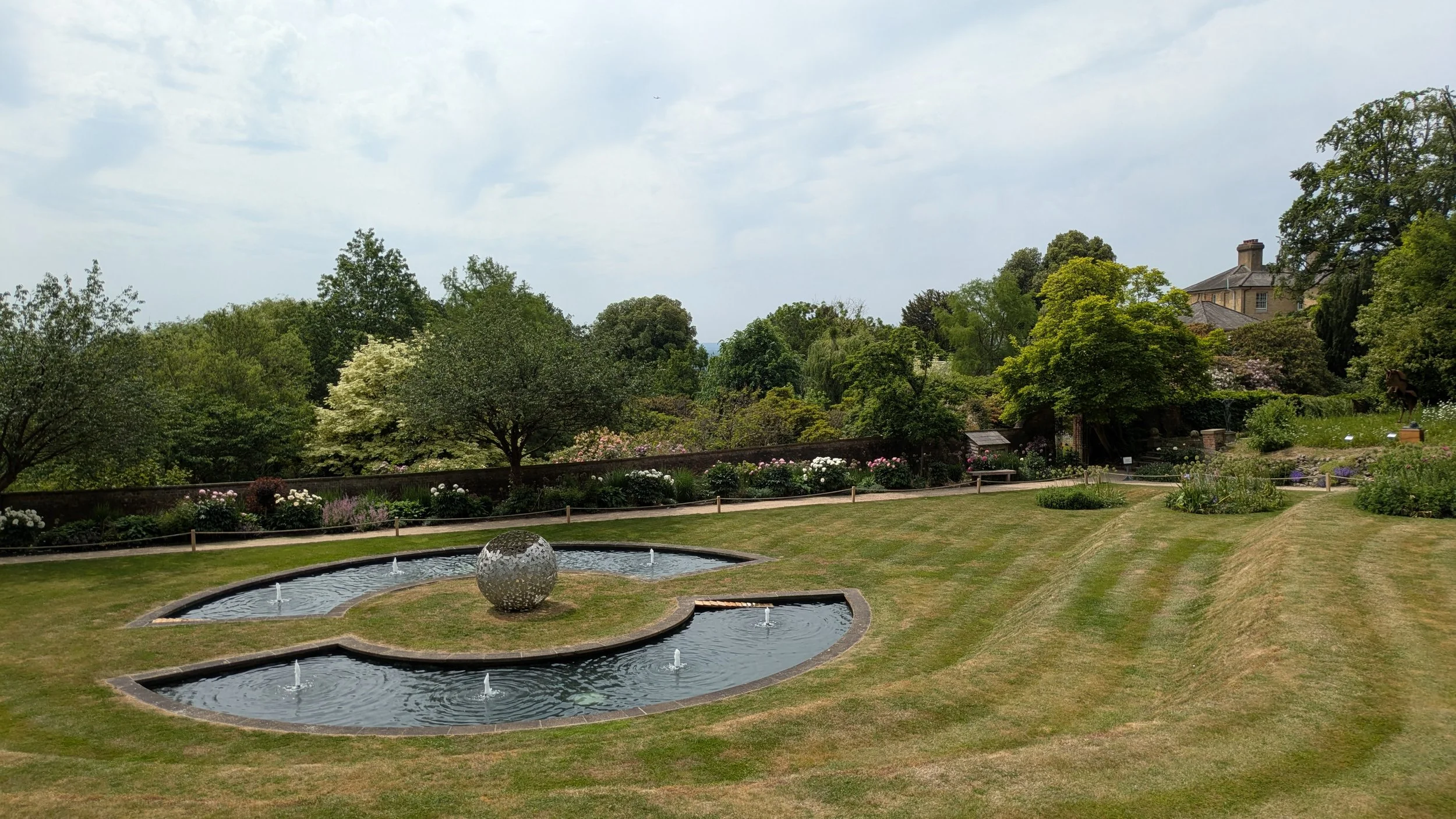
The walled garden and the surrounding grass area are home to various sculptures made by local artists. They encompass an eclectic variety of styles and reflect different schools of art. However the one thing they have it common is that they all provide a great talking point. Adjacent to the walled gardens it the Rose Walk, with a fine selection of well tended bushes. The walled garden features immaculately terraced lawns and has a contemporary water feature at the centre, created by British sculptor Julian Wild. There are roses, alliums and peonies as well as herbaceous borders and dalias. It is all very colourful and for those with functioning olfactory senses (I lost mine after catching COVID), very fragrant. There is seating available around the walled garden, some of which is in the shade. So you can sit, relax and contemplate the nature of reality or whatever takes your fancy. The ambient sound of the water feature adds greatly to the atmosphere.
Riverhill Himalayan Gardens has several areas specific to young children, such as the adventure play area and the den building trail. Both are well maintained and sensibly away from quieter areas such as the walled garden. On weekends there is a Yeti spotting event in this area (and whoever has to wear the Yeti suit has my sympathy in the current heatwave). Naturally, there is a garden shop and a rather good cafe run by a local company, Malabar. It has an outstanding orange drizzle cake. The grounds and services are very well maintained and the staff are friendly and knowledgeable. Hence, Riverhill Himalayan Gardens makes for an excellent day out, providing a modest but challenging hillside walk, an enjoyable maze and some excellent ornamental gardens for those of a horticultural bent. It is also a great place for those visitors that just want to slowly amble and chill out. Furthermore, the grounds are dog friendly which is another plus point.
































Thinking Out Loud
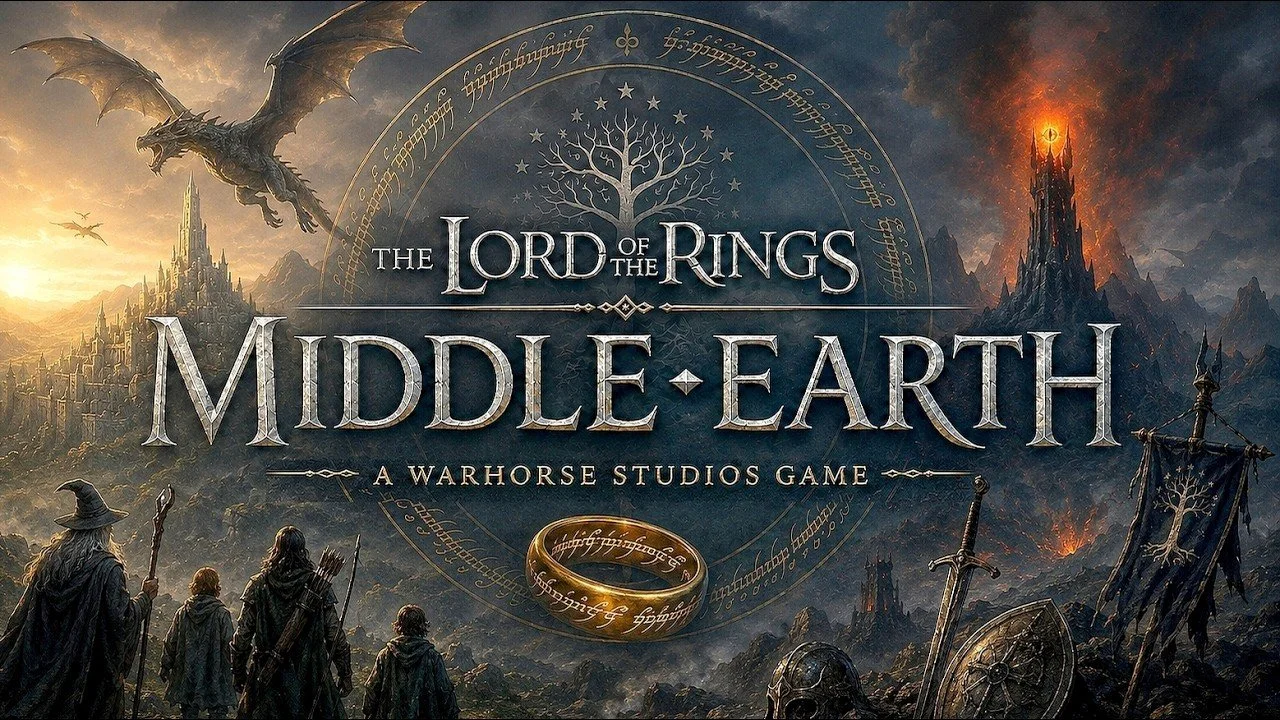
Kingdom Come: Deliverance and its subsequent sequel have been very well received, both commercially and critically. Hence the recent announcement that developer, Warhorse Studios, are currently working on an open world RPG, set in Middle-earth has caused a great deal of excitement in the gaming community. At present, details are scarce and speculation is rife with regard as to what period in the history of Middle-earth will the game be set in. As far as I’m concerned, I don’t really mind when and where it is set as there are so many potential good choices. But I would like clarification as to whether the game is being made in in first person or third person perspective. By default, I prefer the latter when it comes to this RPG genre. Naturally the best outcome would be if the game supports both. However, it should be noted that the developer’s previous games were in first person. If that is the case with this project, I will revise my expectations.
Thinking Out Loud is a recurring blog post where I just throw out ideas and thoughts that have crossed my mind. I then write them here for your consideration. Some of these thoughts could potentially be the basis of an entire article. However, that is not the idea. I see them as simply opening gambits for possible wider discussions. Some of these ideas can be fairly weighty. Others may be deemed trivial. Such is the nature of the things that we think about. Another major factor in all this is the fact that random thoughts make for easy blog posts and every now and then is perfectly okay to just “coast”. I can’t churn out “pure gold” every day (or ever). Please free to leave any comments that you see fit or challenge any of the ideas presented here. If you think its all somewhat spurious, remember that I’m just “thinking out loud”.
Warhorse Studios are Making a Middle-earth RPG
Kingdom Come: Deliverance and its subsequent sequel have been very well received, both commercially and critically. Hence the recent announcement that developer, Warhorse Studios, are currently working on an open world RPG, set in Middle-earth has caused a great deal of excitement in the gaming community. At present, details are scarce and speculation is rife with regard as to what period in the history of Middle-earth will the game be set in. As far as I’m concerned, I don’t really mind when and where it is set as there are so many potential good choices. But I would like clarification as to whether the game is being made in in first person or third person perspective. By default, I prefer the latter when it comes to this RPG genre. Naturally the best outcome would be if the game supports both. However, it should be noted that the developer’s previous games were in first person. If that is the case with this project, I will revise my expectations.
Socialising When Older
I have been looking around online recently to see if I can find any local social groups that I could possibly join. Simply put, I need to interact with more people. I feel that there is a gap in this part of my life and feel the need to address it. I spoke to my sister who has joined such a club and she really likes the range of activities that they do. There are day trips, quiz nights and meetings just to chat. In principle, these are the sort of things I’m looking for. Yet something I can’t quite identify is holding me back. May be it’s my age. I am 58 and have retired early. Most of the social groups out there are populated by people in their sixties and older. People my own age are mainly still working. Age isn’t always an issue but it can be. Plus I admit that I’m a very particular person. I’m not looking for innocuous small talk and passing company. I want something more tangible and more intellectually demanding. I guess I shouldn’t talk myself out of things before trying.
Lego: Adults Welcome
In recent years Lego have started producing various products that are pitched at adult customers. These sets are usually based upon major film and pop culture franchises, such as The Lord of the Rings and the ubiquitous Star Wars. I recently saw a Lego Jaws set, featuring the Orca and its crew as well as the shark Bruce. It’s all rather niche, entertaining and expensive. However, the sets pitched at the adult market are far from cheap. The aforementioned Jaws set retails at £130.00 in the UK. Another issue stemming from the popularity of these Lego sets is that when you search online for more, a lot of the results returned are fictitious. People use generational AI to create images of sets they’d like to see released by the Danish manufacturers, that are not available. I stumbled across one such example recently. A bogus Where Eagles Dare Lego set. If it was real, I most definitely would buy it. Sadly it isn’t.
The UK and Hot Weather
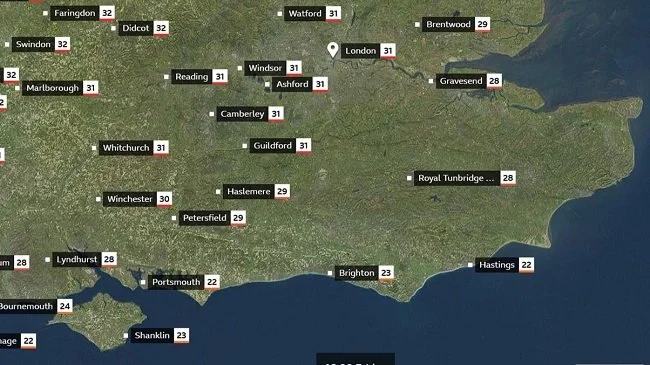
As I am writing this post (2:00 PM on Monday 25th May 2026) the weather in the UK and indeed parts of Europe is unusually warm for this time of year. It is currently 31°C (87.8°F) in South East London. The heat tends to linger into the evening due to the urban sprawl absorbing it during the day and radiating it out at night. Although unusual for the time of year, there is evidence that the weather is getting warmer in the UK and frankly it shouldn’t be as much as surprise as some people portray it. I bought three very robust (and most importantly quiet) pedestal fans over the last two years and they’re now proving to be worth every penny. Air Conditioning is not yet a default part of UK house building but it may well be so in the years ahead. As for those people who one minute decry how miserable the weather is, then promptly moan the moment the sun appears, try shutting your curtains and pulling your blinds. It does much to reduce the room getting warm.
Jaffa Cakes
For those who do not know, Jaffa Cakes are a popular biscuit in the UK (although for tax purposes they’re considered cakes). They consist of a Genoise sponge base, a layer of orange-flavoured jam and a coating of chocolate. Jaffa Cakes have been around since 1927 and have proven to be a popular indulgence. Sadly, they have in recent years been subject to the most egregious “shrinkflation”, like so many food items. First off, you no longer get a dozen Jaffa Cakes in a box. Secondly, you need an electron microscope to see them. In fact I would go as far as to say that the reduction in size has effectively killed my interest in Jaffa Cakes. They’re gone in a mouthful. If you want to be satisfied you have to eat two at once. A single box therefore yields five mouthfuls.“Shrinkflation” is a false economy and takes consumers for fools. Fuck you McVitie’s. Just make Jaffa Cakes bigger and we’ll pay more.











Star Trek Online: Reputation System
Star Trek Online has many in-game systems that are common to the MMORPG genre. The reputation system is one such example. In STO there are 13 reputation factions. Once a player has reached level 50 they may start progressing through the 6 reputation tiers of each one. Players gain progression through daily projects (20 hours in duration). Hourly projects are also available though they yield less reputation advancement and are limited to three times a day. Hence 20 hour projects are consider by default the most efficient way to gain rep. Projects require 30 Faction Specific Marks (earned via various activities in-game), 15,000 Energy Credits (standard in-game currency) and 2000 Expertise points. The most efficient way to tackle the reputation grind is to build up the necessary resources in advance and then at a designated time each day, start all 13 respective projects. Upon completion projects yield a player bound lockbox containing a random space or ground weapon, a console or Elite Marks which can be used to acquire faction gear.
Star Trek Online has many in-game systems that are common to the MMORPG genre. The reputation system is one such example. In STO there are 13 reputation factions. Once a player has reached level 50 they may start progressing through the 6 reputation tiers of each one. Players gain progression through daily projects (20 hours in duration). Hourly projects are also available though they yield less reputation advancement and are limited to three times a day. Hence 20 hour projects are consider by default the most efficient way to gain rep. Projects require 30 Faction Specific Marks (earned via various activities in-game), 15,000 Energy Credits (standard in-game currency) and 2000 Expertise points. The most efficient way to tackle the reputation grind is to build up the necessary resources in advance and then at a designated time each day, start all 13 respective projects. Upon completion projects yield a player bound lockbox containing a random space or ground weapon, a console or Elite Marks which can be used to acquire faction gear.
The reputation system in STO is intended to be a lengthy process. The time required to complete each reputation tier increases as you progress. If a player maintains a regular schedule with regard to undertaking 20 hour reputation projects, then they can complete all 6 tiers within 70 days. However, once a player has reached Tier 5 in a specific reputation, they then unlock reputational “sponsorship” which effectively halves the time it takes to gain rep on any subsequent alts on that account. Sponsorship doubles the amount of reputational experience you gain from projects. This makes the process somewhat easier but it is still considered one of the biggest chores within STO. However, unlocking each factions reputation provides players with access to a wealth of useful gear and traits, some of which are currently deemed to be the default meta by the community. Reputations also provide a means to earn Dilithium which is a major currency in STO.
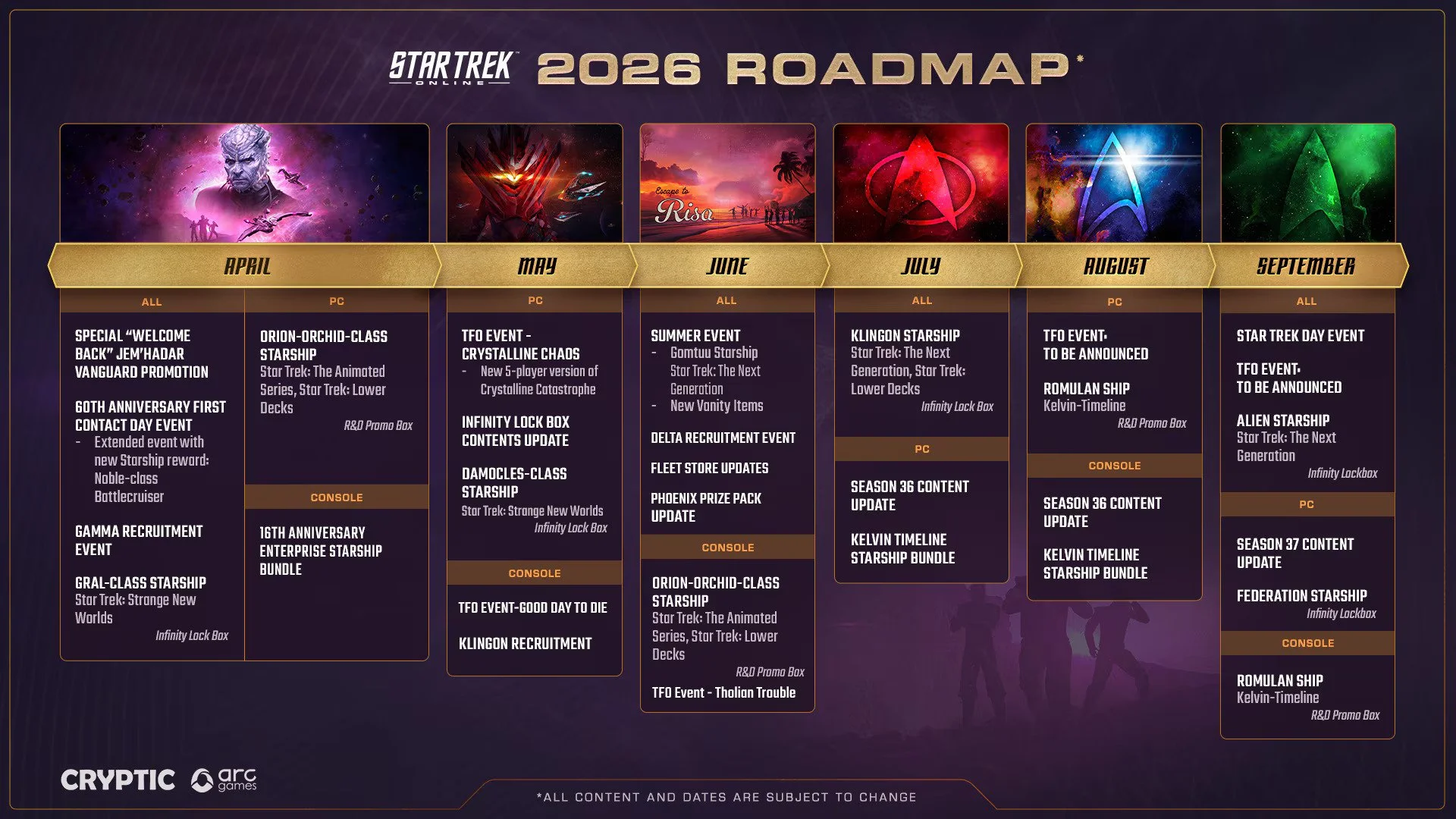
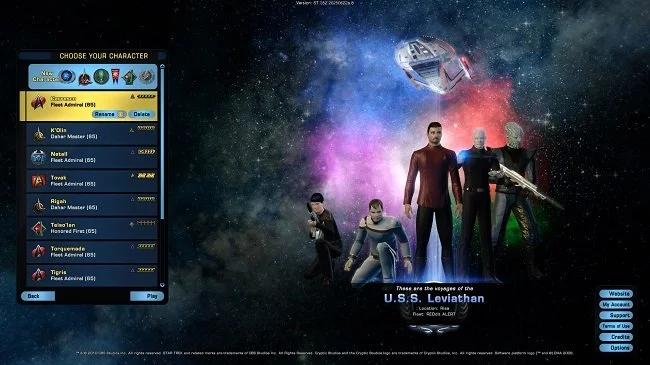
I recently created a new account for STO, so I could document the overall experience of being a new player. As I mentioned in a previous post, I do not have the advantage of being able to access account wide unlocks from prior alts. However, my current rep progression is complex, as I did claim the free Jem’Hadar Vangard alt as part of the ongoing Gamma Recruitment Event. This is a level 60 character that has three reputation factions already progressed to tier 5 and inherent reputation sponsorship. Hence I was similarly expecting to have the benefit of sponsorship on my new TOS era alt across all 13 rep factions. However that is not the case and for some reasons, Discovery Legends and GammaTask Force factions are progressing at the normal, unsponsored rate. I am not sure whether this is a bug or by design but it means that not all rep factions will progress in a uniform fashion.
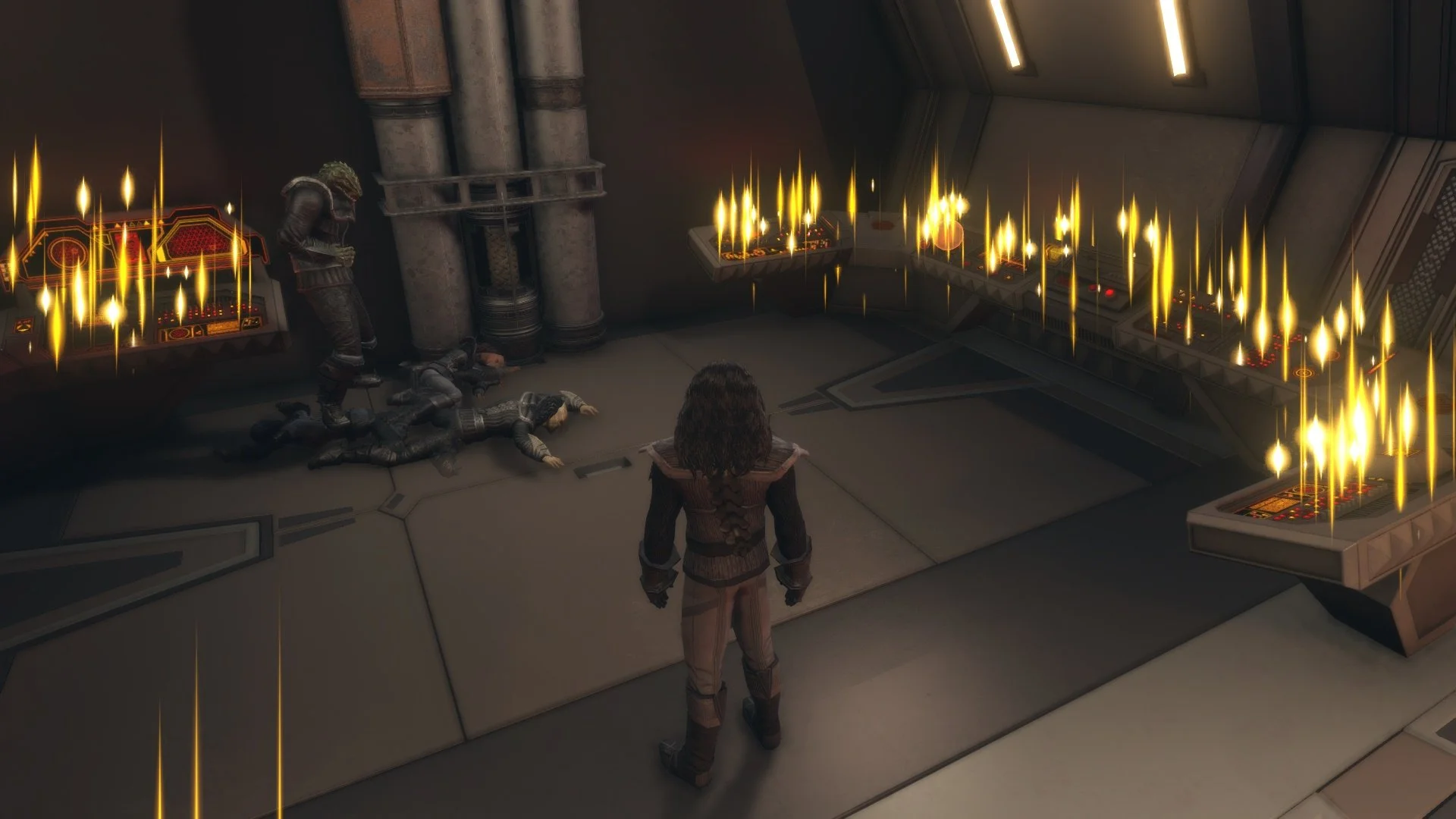
It’s been a while since I have through the reputation grind in STO. All my other alts belong to a lifetime account and benefit greatly from the myriad account wide unlocks. A new alt associated with that account is showered with claimable faction marks and therefore has all the resources necessary to fast-path through the rep system before they even reach level 50. Not so with this new alt. In fact I recently decided to farm the ongoing Crystalline Catastrophe Event, which rewards the player with 105 reputation marks of their choice each time. I ended up doing this event 26 times in one play session to build a stockpile. Obviously, I could have chosen not to do this but that would have made the timetable for gaining maximum rep in all factions longer than the current 50 days (70 for the two factions that aren’t sponsored). It should be noted that Cryptic do give players the option to buy tier 5 rep if they see fit. I do not. I like convenience but I have my limits.








Changing Internet Service Provider
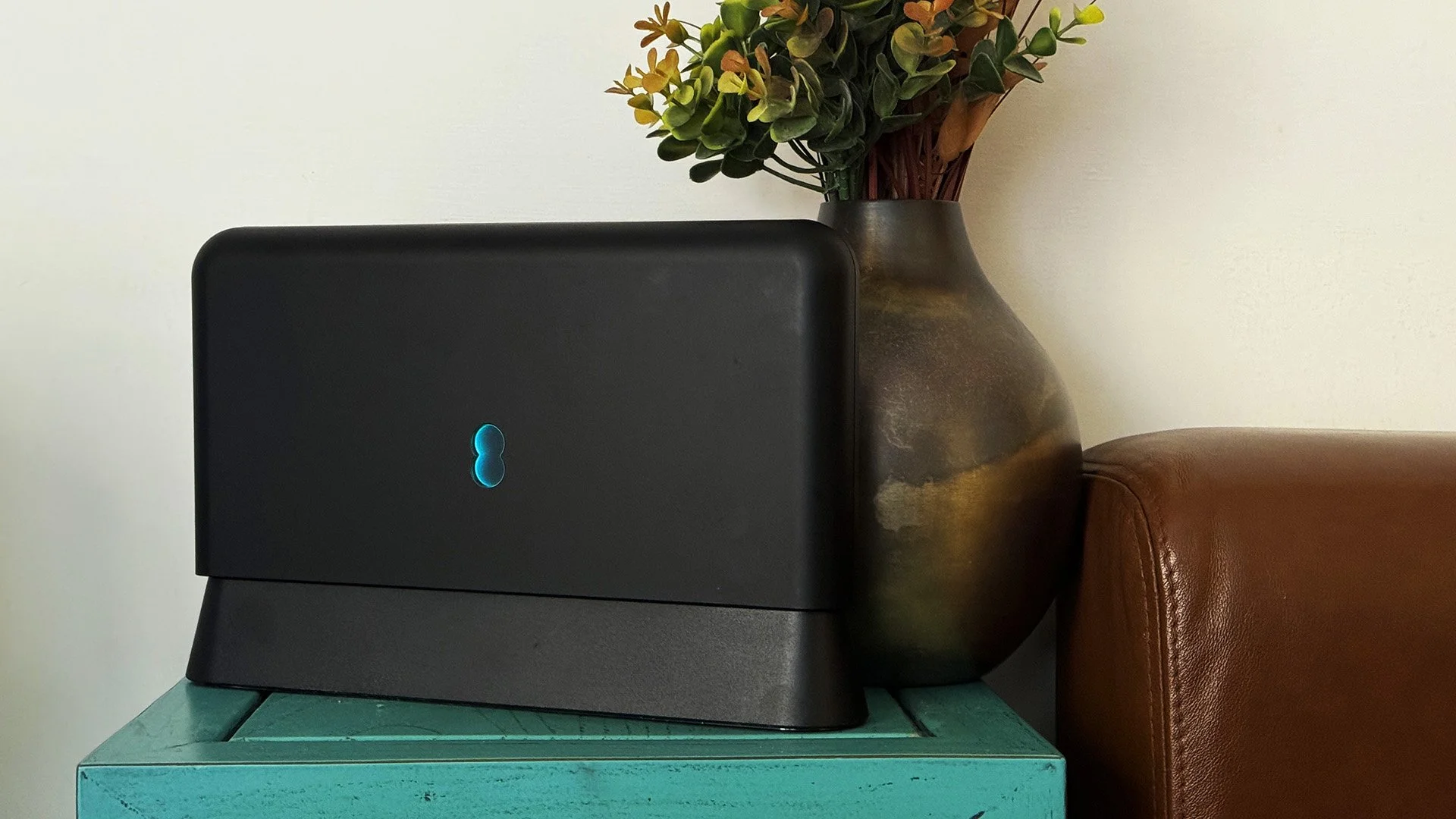
Yesterday we changed internet service providers. We moved from EE (formerly BT) to Plusnet. The transition went surprisingly well, mainly due to the existing infrastructure remaining the same. We’ve had fibre to the premises (FTTP) since 2022 so this was essentially an administrative change. The previous ISP terminated their service at 1:30 AM in the morning, while I was playing Star Trek Online. By 6:30 AM I received a message from Plusnet that the new service was live. It took about an hour to configure the new Netgear Nighthawk RS100 router (I bought my own) and get all our household devices attached to the new network. The connection is running at exactly the same speed and stability as it had under the previous supplier. At present a 1Gbps connection is sufficient for our needs. The main factor that has driven this change is cost. We are currently paying £28 per month for internet access which is a competitive price in the UK.
Yesterday we changed internet service providers. We moved from EE (formerly BT) to Plusnet. The transition went surprisingly well, mainly due to the existing infrastructure remaining the same. We’ve had fibre to the premises (FTTP) since 2022 so this was essentially an administrative change. The previous ISP terminated their service at 1:30 AM in the morning, while I was playing Star Trek Online. By 6:30 AM I received a message from Plusnet that the new service was live. It took about an hour to configure the new Netgear Nighthawk RS100 router (I bought my own) and get all our household devices attached to the new network. The connection is running at exactly the same speed and stability as it had under the previous supplier. At present a 1Gbps connection is sufficient for our needs. The main factor that has driven this change is cost. We are currently paying £28 per month for internet access which is a competitive price in the UK.
When we had FTTP set up, the Optical Network Terminal (ONT) was installed in the spare room at the front of the bungalow. I use this room as my office. Hence the router is located here and sits on the lower shelf of a table, next to my desk. I have an ethernet connection to my PC. However, the wifi in our lounge has always been quite low, due to the brick walls. Furthermore, we have our home media equipment setup in the fireplace, which compounds the problem. Previously I was using a wifi extender, which connected to a mini-hub. The TV, Media player, Blu-ray player and Satellite box all have ethernet connections. Unfortunately, this wifi extender did not perform well with the new router, mainly due to its age. However, after searching through my stash of IT related bric-a-brac, I found a pair of powerline adaptors, so I was able to replace the wifi extender. The equipment in the fireplace now has a 60Mbps connection.
As part of this change of service, we finally said goodbye to our landline. When we moved over to FTTP, the old analogue line was disconnected but we retained a VOIP landline purely for incoming calls. Mainly because several clinics and other healthcare institutions still contacted us via our old telephone number. We have addressed this issue now and made sure that all calls of this nature come purely to our mobile phones. Hence there was no longer a reason to keep the landline and it has finally been decommissioned. It is a curious milestone as we’ve had that number since 2003 and had access to a landline all our adult life. However, the culture associated with telecommunications has changed radically in the last twenty five years and by and large, landlines have become an anachronism for most people. As have the concept of voice calls. The majority of those I do receive nowadays are marketing and other spam.
Our new ISP is providing an identical service to the old one over exactly the same infrastructure. Hence this change has not been about seeking an upgrade in internet speed or superior technical support but getting a better deal. The best deals in the UK for internet and cell phones always seem to be for new customers. Brand loyalty is not especially well served. We left EE mainly because they could not or would not offer us a competitive price. So we have contributed to market churn and taken advantage of a “new customer” deal with Plusnet. We know what price we shall be paying over the next twenty four months and if a more favourable one can be found at the end of that period, we will move once again. It strikes me as a risible and unsustainable course of action but if that is the way to ensure the most economic price, then so be it.
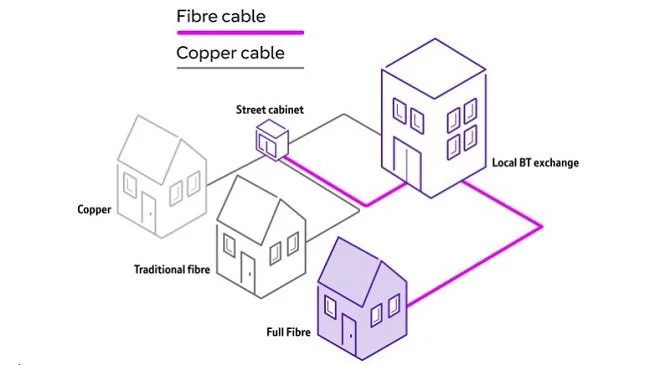




MMORPGs Based on Existing Intellectual Properties
I was recently perusing my archive of old blog posts, when it struck me how much I’ve written about the MMORPG genre over the years. Naturally, there was far more material from between 2008 and 2012 as that was period when I immersed myself in the genre and was very enthusiastic about it. I was at a point in my life when I had the time to dedicate to such games and I was happy to participate in the social aspect of they offered. I would regularly play through group content and spend time socialising online with fellow guild members. My experience remains a textbook example of how online games can be more than the sum of their parts and that where you are at in your life has a major impact upon your overall enjoyment. As I read though various old posts it became clear that my experiences where specific to this particular part of my life and that they cannot be repeated. My relationship with the genre is very different now and that’s fine.
I was recently perusing my archive of old blog posts, when it struck me how much I’ve written about the MMORPG genre over the years. Naturally, there was far more material from between 2008 and 2012 as that was period when I immersed myself in the genre and was very enthusiastic about it. I was at a point in my life when I had the time to dedicate to such games and I was happy to participate in the social aspect of they offered. I would regularly play through group content and spend time socialising online with fellow guild members. My experience remains a textbook example of how online games can be more than the sum of their parts and that where you are at in your life has a major impact upon your overall enjoyment. As I read though various old posts it became clear that my experiences where specific to this particular part of my life and that they cannot be repeated. My relationship with the genre is very different now and that’s fine.
Out of all the MMOs that I’ve dabbled with over the years, only two are still being actively played. The Lord of the Rings Online and Star Trek Online. After giving this matter some thought, I have concluded that it is my relationship with the intellectual property on which they’re based is the main reason why these two have remained, where as other have fallen by the wayside. I used to play Guild Wars 2 regularly. I participated in the beta testing and doggedly worked my way through the base game and tackled the first expansion. It was the latter that killed my interest. On its release Heart of Thorns was difficult to play through, due to it’s three dimensional environment. There were no flying mounts at the time, so the game ground to a halt for me. Usually in such circumstances, games like LOTRO have the benefit of lore heavy narratives which appeal to my sense of fandom. Guild Wars 2 is its own unique IP and sadly has no emotional resonance for me. So I stopped playing.
The same thing effectively killed my interest in most other MMOs. I really tried to get into the lore of The Elder Scrolls Online because I had enjoyed Skyrim so much. But it all seemed a little too derivative for my taste. When I’ve raised this issue in-game, other MMO players have suggested I just ignore the dialogue and mission text and focus on just getting whatever is required done. Sadly, I like narratives and therefore want to know what my motivation is. Doing a task for “reasons” doesn’t really suit me. Such things don’t kill my interest in an MMO immediately. The social component can keep me engaged for a while, especially if you often play through content as a group. However, that too can wane over time, especially if friends move on to another game. I’m in a curious situation where I still talk online each week to a friend I have met through MMOs but we seldom play the same games any more.
All of this raises the question of whether I am still an MMO player per se, or whether I am just playing MMOs as single player games, in a multiplayer environment. Crimson Desert has highlighted this point as that game feels conspicuously like an MMO, especially with regard to many of its game systems and mechanics, yet it lacks the presence of other players. I suppose the definitive test would be if a new MMO launched that took my fancy, would I now play it? That question would depend greatly upon its setting and whether it was based on an IP I was already familiar with and enjoyed. If there was a modern MMO released that was set in the First Age of Middle-earth, then I would most definitely try it. I cannot say the same about titles with just a generic fantasy setting. I am not entirely sure if this change in perspective is down to me or the ongoing evolution of the genre. I suspect that both have contributed to my current outlook.
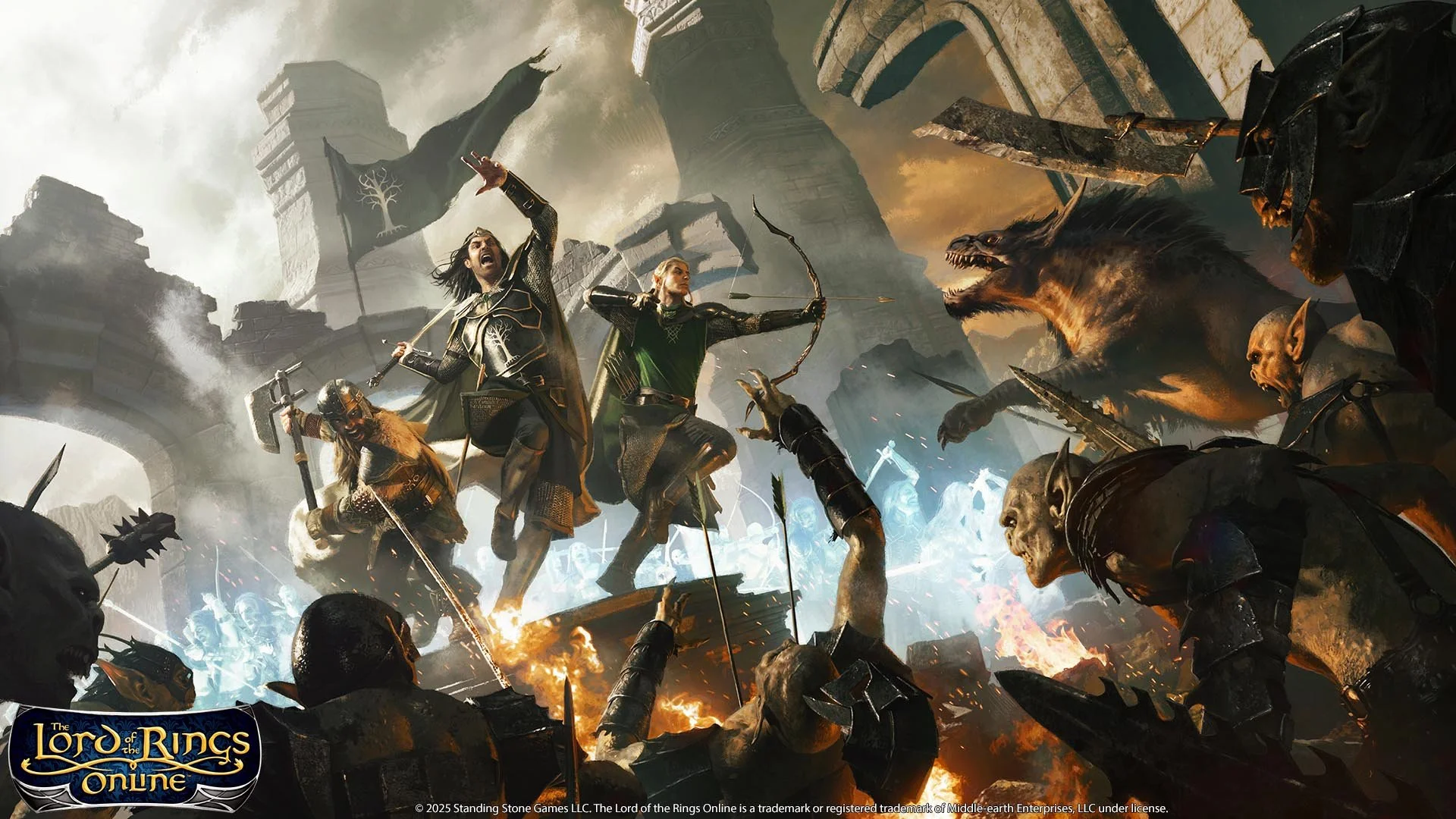
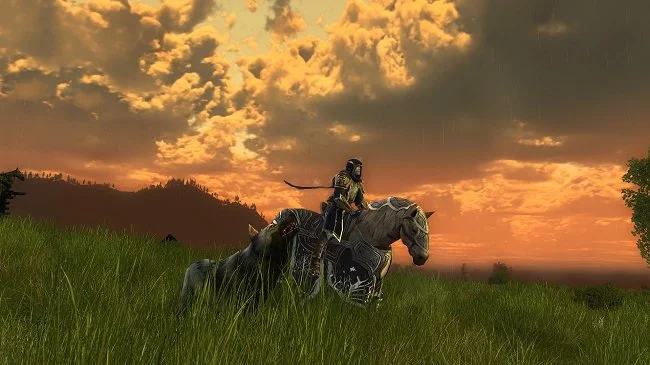


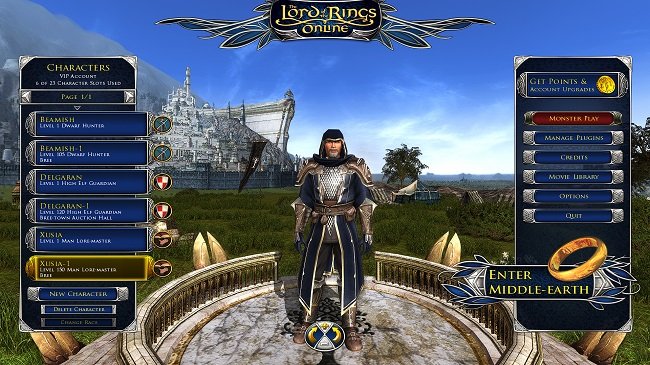

Learning via AI
In 1990 I was working at the DWP (Department for Work and Pensions). I had just taken the role of Computer Support Officer where I administered user access to the mainframe and provided first line support to staff using the terminals. That summer the office moved to a PC based network and the project was undertaken by the newly formed Siemens Nixdorf company. To cut a long story short I befriended one of the contract engineers and over the next 9 months he became an unofficial mentor to me. Technically he was only supposed to train me in the most basic of fashions but he liked the fact that I was always asking questions and effectively ended up schooling me in PC and server architecture, network administration and the associated protocols. For me this was the best way to learn. It was not a case of coming to grips with theory in a classroom environment. It was learning by doing and having direct and exclusive access to a source of knowledge and experience.
In 1990 I was working at the DWP (Department for Work and Pensions). I had just taken the role of Computer Support Officer where I administered user access to the mainframe and provided first line support to staff using the terminals. That summer the office moved to a PC based network and the project was undertaken by the newly formed Siemens Nixdorf company. To cut a long story short I befriended one of the contract engineers and over the next 9 months he became an unofficial mentor to me. Technically he was only supposed to train me in the most basic of fashions but he liked the fact that I was always asking questions and effectively ended up schooling me in PC and server architecture, network administration and the associated protocols. For me this was the best way to learn. It was not a case of coming to grips with theory in a classroom environment. It was learning by doing and having direct and exclusive access to a source of knowledge and experience.
Throughout my career in IT which ran until 2016, I always enjoyed the fact that there were always professional colleagues available who were happy to share knowledge. We would all call each other if something came up that required additional information. There would be a few engineers who were cagey but they were soon sidelined from our shared, informal ad hoc pooling of knowledge. One of the aspects that I liked so much about my career was the opportunity to continuously learn and challenge my assumptions. A lot of the time in IT, you would work alone so your successes were yours. However, having access to a network of like-minded friends and colleagues was an invaluable resource. One that I now miss. Not only because it was a great means to learn something new or solve a problem but because there was a social component to this network. We would often meet up for drinks after work and swap stories and news.
I have embarked on several technical projects recently and it’s extremely frustrating when I grind to a halt due to gaps in my knowledge. Having been out of my line of work for over a decade, I no longer have access to people “who know”. So I have started using AI as an alternative. As my questions have become increasingly complex, I’ve started subscribing to Google Gemini so that I don’t run into any kind of cap or restrictions. The results have proven broadly positive although there has been issues along the way. Overall, I haven’t changed my position on AI. It is a tool and like all tools can be used efficiently and effectively or it can be misused. I don’t use it for writing and only generate images for my own amusement. As far as providing technical support it is very useful, especially with simple coding issues or troubleshooting software. However, it does have its own foibles, or at least Google Gemini does, which have to be worked around.
Simply put Google Gemini is a pedant. If you ask a broad question you can and often will get a broad answer. Hence you have to be very specific and detailed in your questioning. It takes a while to find the right level of information you need to provide and the learning curve can be frustrating. I asked multiple questions about setting up the live streaming software OBS. I wanted the stream to be in 2K resolution and there were all sorts of configuration settings, many of which were linked to which make and model of graphics card you have. Google Gemini would often reference setting by names that were not present in the version I had installed, so all my subsequent questions had to reference the software version number to ensure relevance. As Google Gemini’s “knowledge” is drawn from the websites that it parses, there is often a bias towards whatever has been written about the most. Hence its answers although correct, may not be the most recent.
Hence AI’s need to be addressed in a very specific manner. Often you feel that your not only asking questions but you’re also like a sheep dog; trying to steer the entire undertaking in the right direction. Google Gemini now has the capacity to retain your previous questions to try and get a better overall understanding of what you’re working towards. Obviously this is a privacy issue and comes down to personal choice but I have allowed it for the present as none of my questions are about me personally. They are simply technical enquiries relating to minor tasks I’m undertaking. I do not use AI to do such things as write letters, compose emails as I am more than capable of doing such things for myself. Hence for the present, Google Gemini is not accessing vast swathes of personal information about me. Unless asking lots of questions about specific video games and their respective mechanics provides any insight.
The one thing that AI cannot provide is the social aspect that comes with shared problem solving with a network of professional colleagues. Often exchanging information with colleagues is done after work over drinks or a meal. The social component often leads to wider friendships. That aspect is not present when you’re learning via an AI. Mind you, the latter can be a lot cheaper, as you don’t have to buy it a pint either or make small talk with it. Joking aside, both methods of sharing knowledge and learning have their respective merits. My recent experience using Google Gemini has been a very interesting experience. The quality of answers the AI gives increase in the quality once you start subscribing and accessing a more advanced version. However, while writing this post and reflecting upon the network of colleagues that I use to have, has made me realise how much I miss both their expertise and company.
Tactical Voting
Under the First Past the Post electoral system, the candidate(s) receiving the highest number of votes in each constituency are elected. This system is used in the UK during general elections and in some local elections, such as those recently conducted in England. An alternative approach is the system of proportional representation, which aims to allocate seats in a manner that reflects the popularity of various parties. Both the Scottish Parliament and the Senedd in Wales employ systems of Proportional Representation. Historically, first-past-the-post has been seen as advantageous for the Conservative and Labour parties. It poses challenges for smaller parties whose votes are distributed evenly across different regions, making it difficult for them to secure seats. This dynamic effectively prevents potential competitors to the Conservatives and Labour from succeeding electorally. Consequently, due to this situation, voters may hesitate to support these smaller parties from the outset.
Under the First Past the Post electoral system, the candidate(s) receiving the highest number of votes in each constituency are elected. This system is used in the UK during general elections and in some local elections, such as those recently conducted in England. An alternative approach is the system of proportional representation, which aims to allocate seats in a manner that reflects the popularity of various parties. Both the Scottish Parliament and the Senedd in Wales employ systems of Proportional Representation. Historically, first-past-the-post has been seen as advantageous for the Conservative and Labour parties. It poses challenges for smaller parties whose votes are distributed evenly across different regions, making it difficult for them to secure seats. This dynamic effectively prevents potential competitors to the Conservatives and Labour from succeeding electorally. Consequently, due to this situation, voters may hesitate to support these smaller parties from the outset.
Therefore, as voting the way you wish to can be rendered pointless under the First Past the Post electoral system, the only other means available to the electorate to have any meaningful agency is to vote tactically. Tactical voting is a strategy where voters support a candidate other than their first preference to prevent an undesirable candidate or party from winning, It provides an option in which one does not feel you’ve “wasted your vote” upon parties and candidates that are unlikely to win in a specific constituency. However, it is an act couched often in negativity and is a tacit admission that votes in certain constituencies and wards do not count as much as others. Groups like the Electoral Reform Society argue tactical voting is a “symptom of a failing system” and hence advocate for a replacement electoral system such as Proportional Representation (PR), to make tactical manoeuvring unnecessary.
Last Thursdays local elections in the UK saw a large degree of tactical voting. Dissatisfaction with the current Labour government has lead to a significant surge in votes for Reform UK. However, voting in Council Elections during midterm is often perceived as a protest, hence this can be interpreted as a tactical vote. It sends a message to the government but such a vote may not be repeated during a General Election. There has also been tactical voting to prevent Reform UK candidates from gaining office locally. Reform UK generates strong negative feelings among some quarters of the electorate, who are willing to set aside their own party loyalties to block them. Reform UK is more susceptible to effects of tactical voting as their support is spread unevenly across the country, rather than concentrated in “safe” political strongholds. It is also something the party is particularly truculent about calling tactical voting a “conspiracy of the establishment”.
I voted tactically in last weeks local elections. I have no love for the Conservatives or any other political party, considering them all unfit for purpose. However, I did not want the local council, which is run relatively efficiently, falling to into the hands of Reform UK who are ill equipped in all respects to run a civic institution. So I voted for the incumbent party as it was the “least worst” option. Had I spoilt my ballot in a self-indulgent act of “ideological purity” the loss of the vote could have allowed a Reform UK candidate to gain a seat. There literally was only a few votes in it. However, the outcome affords me no pleasure whatsoever. It’s a deplorable situation when I have to cast my vote based upon what is the least awful option, rather than voting for a candidate or party in which I am genuinely invested. I am reminded of the words of Winston Churchill.
“Many forms of Government have been tried, and will be tried in this world of sin and woe. No one pretends that democracy is perfect or all-wise. Indeed it has been said that democracy is the worst form of Government except for all those other forms that have been tried from time to time.”
UK Local Elections 2026
There are local elections being held across the UK today. Voters in Scotland and Wales will elect representatives to their respective national parliaments, while in England the voting is for local councils and regional mayors. These are the first major elections to be held in the UK since the 2024 General Election which saw the Conservative government of fourteen years, fall to the Labour Party. Midterm elections are often a litmus test for how the electorate think the national government are performing although local issues are also a major factor. The consensus among political journalists and commentators is that the incumbent government is polling extremely poorly and will subsequently face a backlash. In recent years the UK has seen a decline in traditional two party voting with Reform UK and the Greens gaining significant traction among the electorate. Hence today’s elections may well see both these parties make significant gains.
There are local elections being held across the UK today. Voters in Scotland and Wales will elect representatives to their respective national parliaments, while in England the voting is for local councils and regional mayors. These are the first major elections to be held in the UK since the 2024 General Election which saw the Conservative government of fourteen years, fall to the Labour Party. Midterm elections are often a litmus test for how the electorate think the national government are performing although local issues are also a major factor. The consensus among political journalists and commentators is that the incumbent government is polling extremely poorly and will subsequently face a backlash. In recent years the UK has seen a decline in traditional two party voting with Reform UK and the Greens gaining significant traction among the electorate. Hence today’s elections may well see both these parties make significant gains.
Bexley Borough, of which I am a resident, has been a Conservative stronghold for decades. It has always returned a Conservative MP in General Elections and the local council has been Conservative controlled for the last twenty years. However, it has been targetted by Reform UK who see it as a potential beachhead into Greater London. Hence they have been actively campaigning on such issues as road maintenance, protecting the Greenbelt and addressing the existing council budget gap which is forecast to reach £17.8m by 2029/30. Houses in Multiple Occupation have also become a political football, in which residential properties are converted into individual rentable rooms with shared kitchen and bathroom faculties. These can and have been on occasion rented by the Home Office and used to house asylum seekers and refugees, although the “official” argument is made that these take local property out of the housing market.
Due to the potential for immediate gain and long term political capital, 192 candidates are standing in the Bexley Borough this year, meaning many wards are now in a three-way battle between the Conservatives, Labour and Reform UK. The latter is projected to gain 20 council seats, potentially becoming the largest party. This would leave Bexley Council with no party in overall control, leading to all the associated “horse trading” that comes with no definitive “winner”. Despite the political stakes, Local Elections seldom see a large voter turnout and there are concerns that substantial political changes could be made across the UK on very small shares of votes cast. Then there are the wider ramifications of such a political sea change and the immediate consequences they could have on the incumbent Labour government.
Bexley Council Offices
Many among the political commentariat see today’s elections as the moment Britain broke with the traditional two party system of past century (although it has not always been that way). Where the focus in Bexley Borough is on the performance of Reform UK, nationally there is a great deal of interest in the performance of the Green Party. Especially with regard to their popularity with younger voters and ethnic minorities. However, the biggest story could be Labour’s worst ever local election performance, as voters give their verdict on two years of Keir Starmer’s premiership. If such results come to pass, then there is strong chance of a leadership challenge within the Labour Party. Such a possibility would not be well received by the electorate, as the continuous infighting and changes of leadership within the last government was one of the reasons cited for them being voted out of office.
I completed my postal ballot two weeks ago. I am a floating voter with no affiliation with any of the parties, seeing none of them as fit for purpose. I am not alone in my current exhaustion with politics, the way it is conducted and reported. Both the political class and the legacy media inhabit a curious societal adjacent bubble where they assume that the public are equally as engrossed and enthralled by their esoteric machinations. Sadly the opposite is true. Both groups are blissfully unaware of the contempt in which they are held by the public, who find their indulgences tedious and exhausting. The electorate are desperate for some old school, “bread and butter” politics in which essential issues such as the economy, the funding of public services and law and order are addressed. Sadly all parties seem more concerned about “the optics”, rather than offering tangible plans and policies. I await today’s election result with a sense of resigned disappointment.
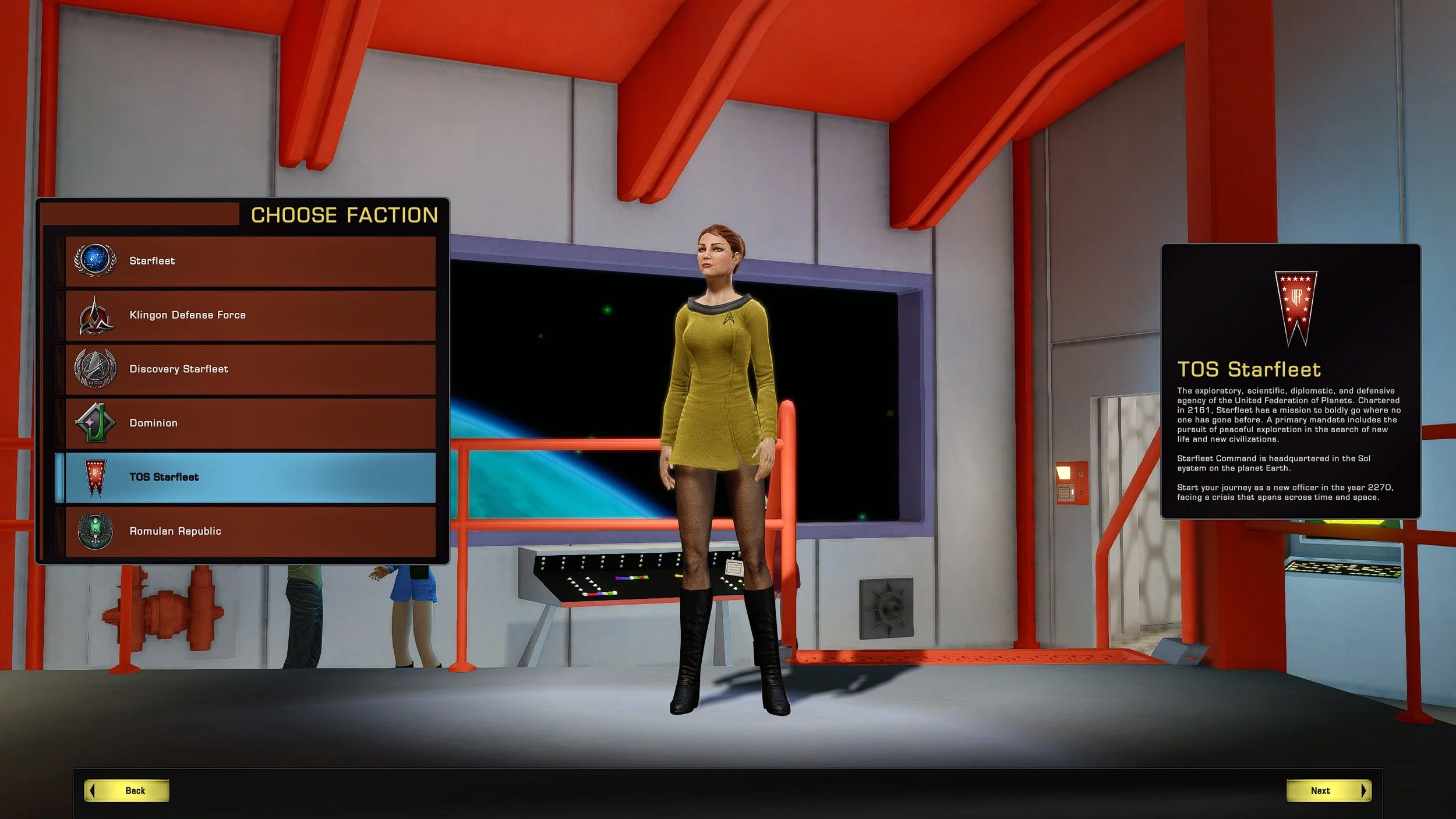
Star Trek Online: Levelling an Alt on a New Account
Creating alts is an integral aspect of the MMORPG genre. Many players will create a character of a specific class or faction, play it for a while, lose interest in it or they may decide that it is just not for them. Fortunately it is no effort at all to simply re-roll a new alt and set off once again. Furthermore, lots of players never reach level cap of the MMORPG that there playing. When the going get’s tough, so to speak, you can either soldier on for another 50 levels or simply create a new alt and return to the comfort of tried and tested content. Alts also give you the chance to secure an accolade or achievement that you previously missed. They are also of great benefit to the genres social aspects. Creating a new alt so you can play along with a friend who is just starting is great fun. Developer’s love them too as it means you’re still playing the game.
Creating alts is an integral aspect of the MMORPG genre. Many players will create a character of a specific class or faction, play it for a while, lose interest in it or they may decide that it is just not for them. Fortunately it is no effort at all to simply re-roll a new alt and set off once again. Furthermore, lots of players never reach level cap of the MMORPG that there playing. When the going get’s tough, so to speak, you can either soldier on for another 50 levels or simply create a new alt and return to the comfort of tried and tested content. Alts also give you the chance to secure an accolade or achievement that you previously missed. They are also of great benefit to the genres social aspects. Creating a new alt so you can play along with a friend who is just starting is great fun. Developer’s love them too as it means you’re still playing the game.
So it is easy to see why alts are so popular and a key part of the MMRPG scene. I recently resumed playing Star Trek Online and found that I have nearly used up all my available character slots. Rather than pay for more, the easiest solution was to create a new account, which I duly did. I took advantage of the on going Gemma Recruitment Event and claimed the free Level 60 Tactical Vanguard Jem’Hadar character. However, what I really wanted to do was create a new 23rd Century character from the Star Trek: The Original Series era. STO has an outstanding but somewhat short story arc set in this time period which totally catches the vibe of the TV show. Hence I created a new Captain and “boldly” went about the business of saving the universe without ripping my shirt at the shoulder. It didn’t take long for me to spot the difference between creating an alt on this new account compared to my existing one.
My main STO account dates back to the launch of the game in January 2010. In 2015 I upgraded to a lifetime account. I have one primary character that I have used to play through all in-game content and events. In STO a lot of the rewards you receive from events are account unlocks. Ships you have bought from the C-Store are similarly available across your account. So if you create a new alt, as soon as you have completed the tutorial you can start claiming a wealth of gear that greatly assists in your ongoing progression. Kit modules, ground weapons, shield and armour for your away team. Universal consoles and various sets of ship gear. Then there’s dozens of vessels to choose from. You get the idea. Simply put, rolling a new alt under such circumstances is a relatively frictionless undertaking because they get such a leg up with all the material advantage. My new alt on the recently created alternate account has no access to any of this.
Overall this has been a timely reminder as to how all new players experience Star Trek Online. You get a level appropriate ship, default gear and slowly progress using the mission rewards you’re given. Your inventory and bank space is initially small but sufficient for the loot that you receive at this stage of the game. Without the benefits of fancy unlocks, learning combat with the gear the game provides teaches you the situational awareness and tactics you need to master. You can’t cheese it through having access to better stuff. Hence the levelling process, via the missions, means you progress in a measured fashion, gaining access to better gear, as the game intended. The game gives you what you need as you level for free. If you want any more then you can always use the store. This intended scarcity makes the new player consider what they equip and what they may sell or buy.
As I am playing on a new account which I created mainly for short term fun, I am reticent to spend any money on the two alts it is currently home to. I did remember to check on the Alienware website to see if there were any freebie game codes available and there are at the time of writing this posts. So I managed to secure the following items. Terran Empire Odyssey Outfit. An Elite Services Pack and a small XP Boost. The service pack provides 36 bank slots and 36 inventory slots, as well as two bridge officer slots. This usually costs 1000 Zen in the C-Store store so is well worth grabbing while its still available. Beyond this addition, I shall continue to play in the “vanilla” fashion, as Cryptic intended. Although not being able to access my account unlocks has made me appreciate how beneficial they can be. In the meantime, I shall battle the Klingons with my vendor trash gear, like its some kind of Kobayashi Maru test.